The stories behind songs are still alive today. Rather than simply recounting the history of Hungarian popular music, we created a cultural program that allows anyone to walk through that history.
The Starting Point
In 2025, Artisjus, Hungary’s collective management organization and the National Cultural Fund of Hungary declared the year the Year of Hungarian Songwriting. The initiative was linked to three major anniversaries: the 120th anniversary of Zoltán Kodály’s and Béla Bartók’s folk song collecting activities, the 150th anniversary of the birth of Jenő Huszka, and the 60th anniversary of the work of the iconic Szörényi–Bródy songwriting duo, whose songs helped launch the Hungarian-language beat era.
The aim was not merely to commemorate the past. The Year of Hungarian Songwriting highlighted the fact that Hungarian songs are not just relics of history. They have been part of our lives for decades, carrying shared memories, emotions, values, and stories, while shaping our cultural identity across generations.
The Challenge
The question was: how can this rich heritage be brought closer to people? How can the history of Hungarian songwriting be transformed into a meaningful experience?
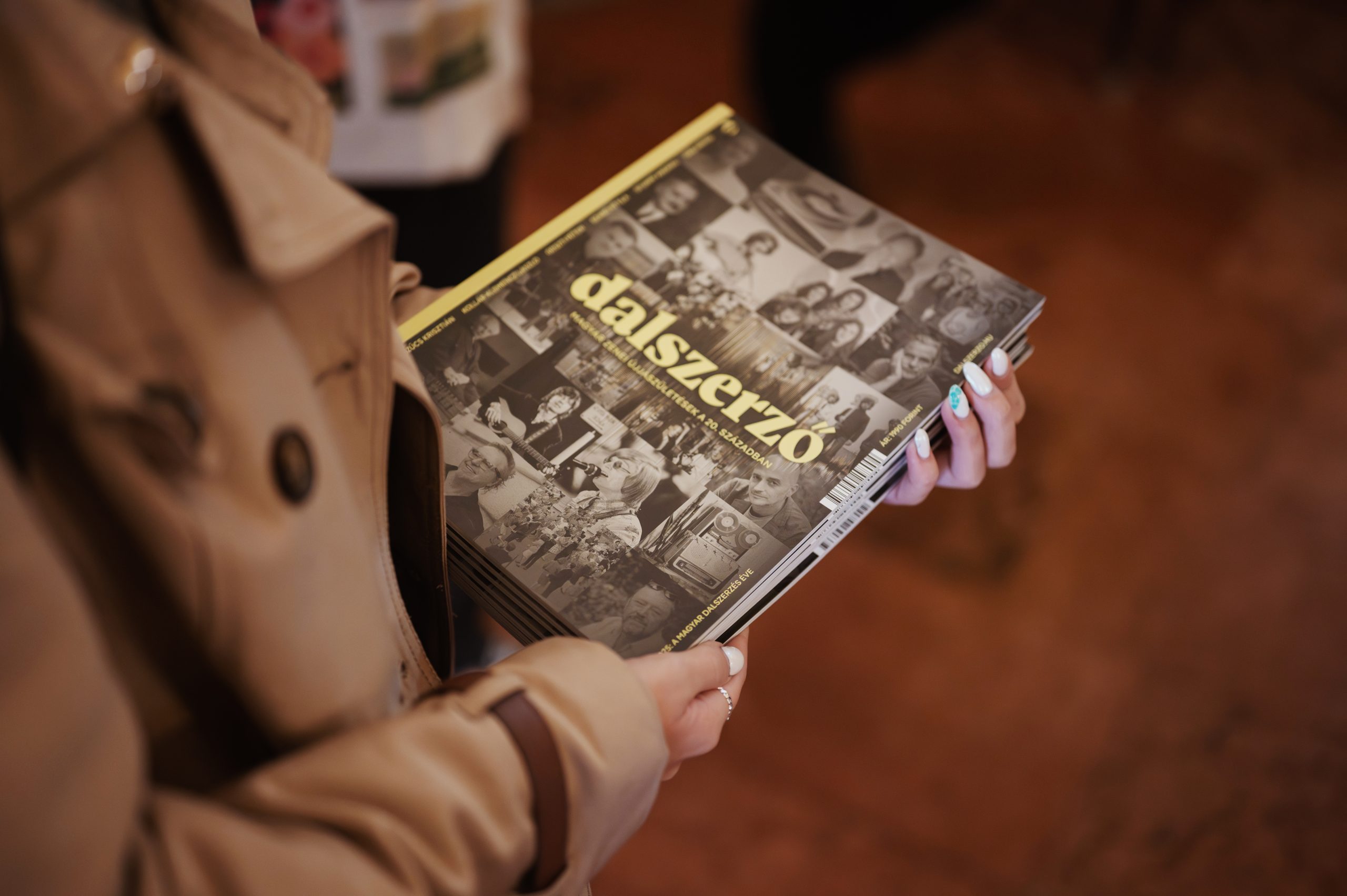
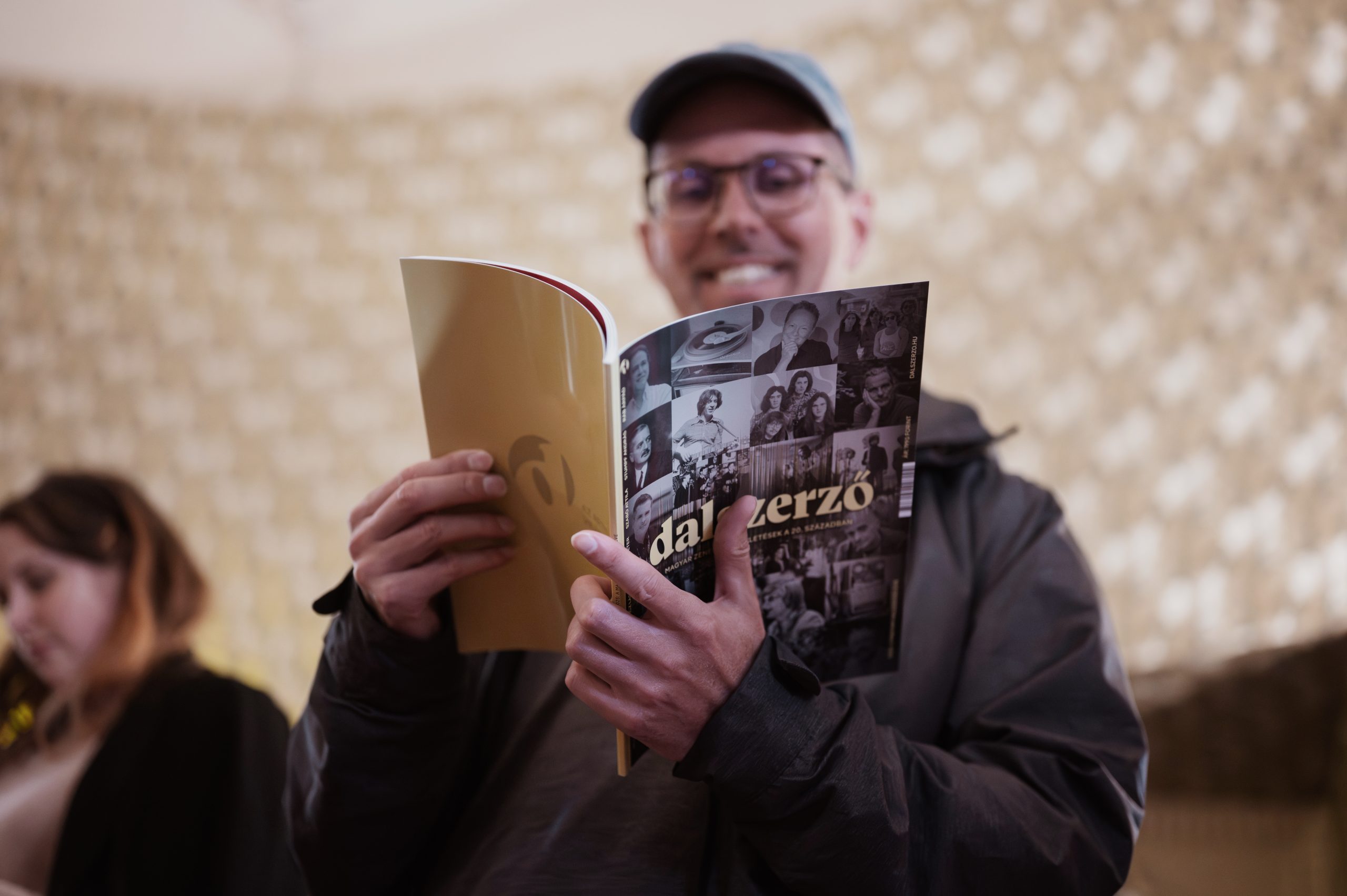
As part of the Year of Hungarian Songwriting, Artisjus published a special edition of its print magazine, the Songwriter Bookazine. Connected to the launch of the publication, we explored how the stories featured in the bookazine—and the wider message of the Year of Hungarian Songwriting—could become not only readable, but also experiential.
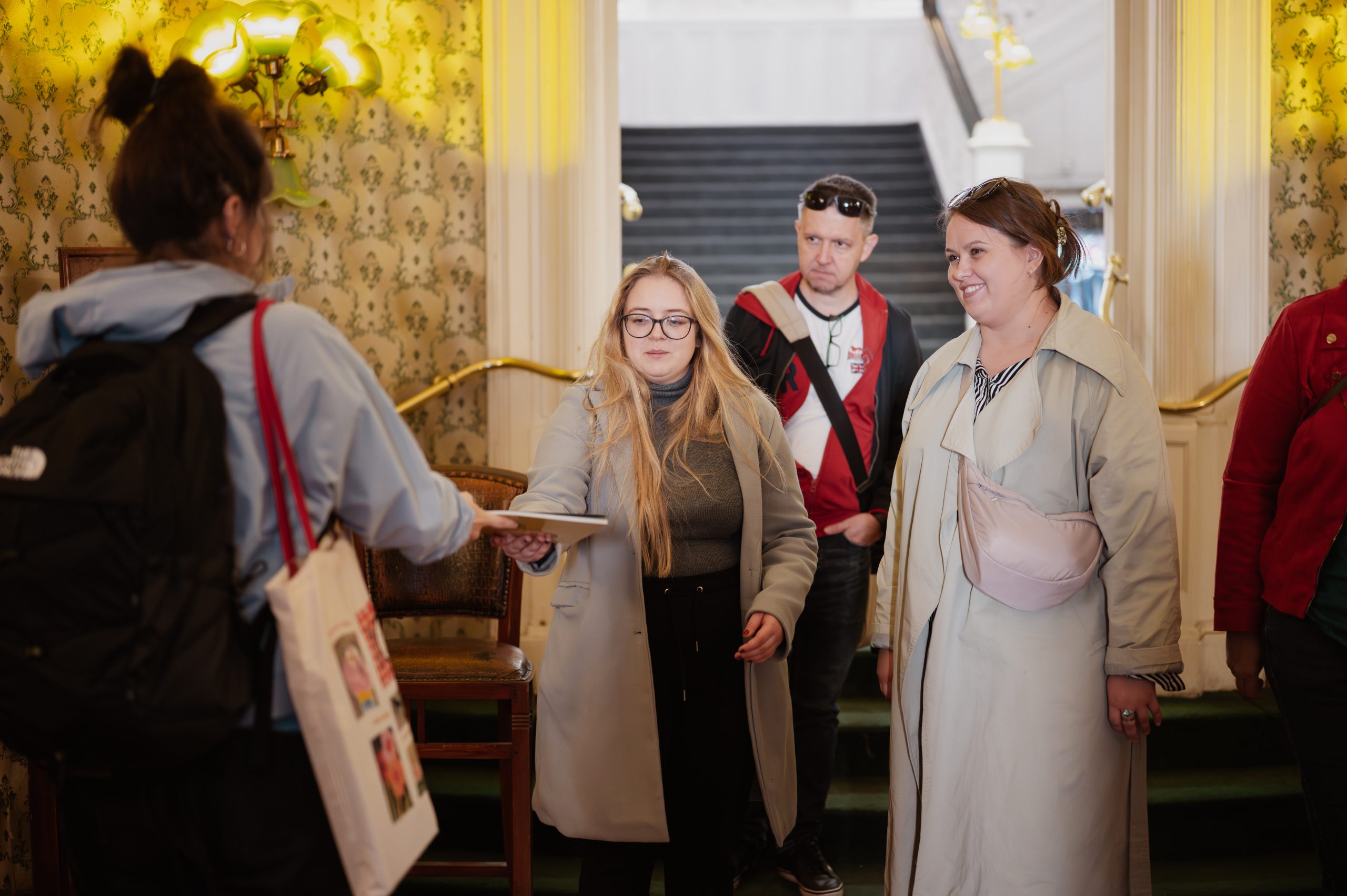
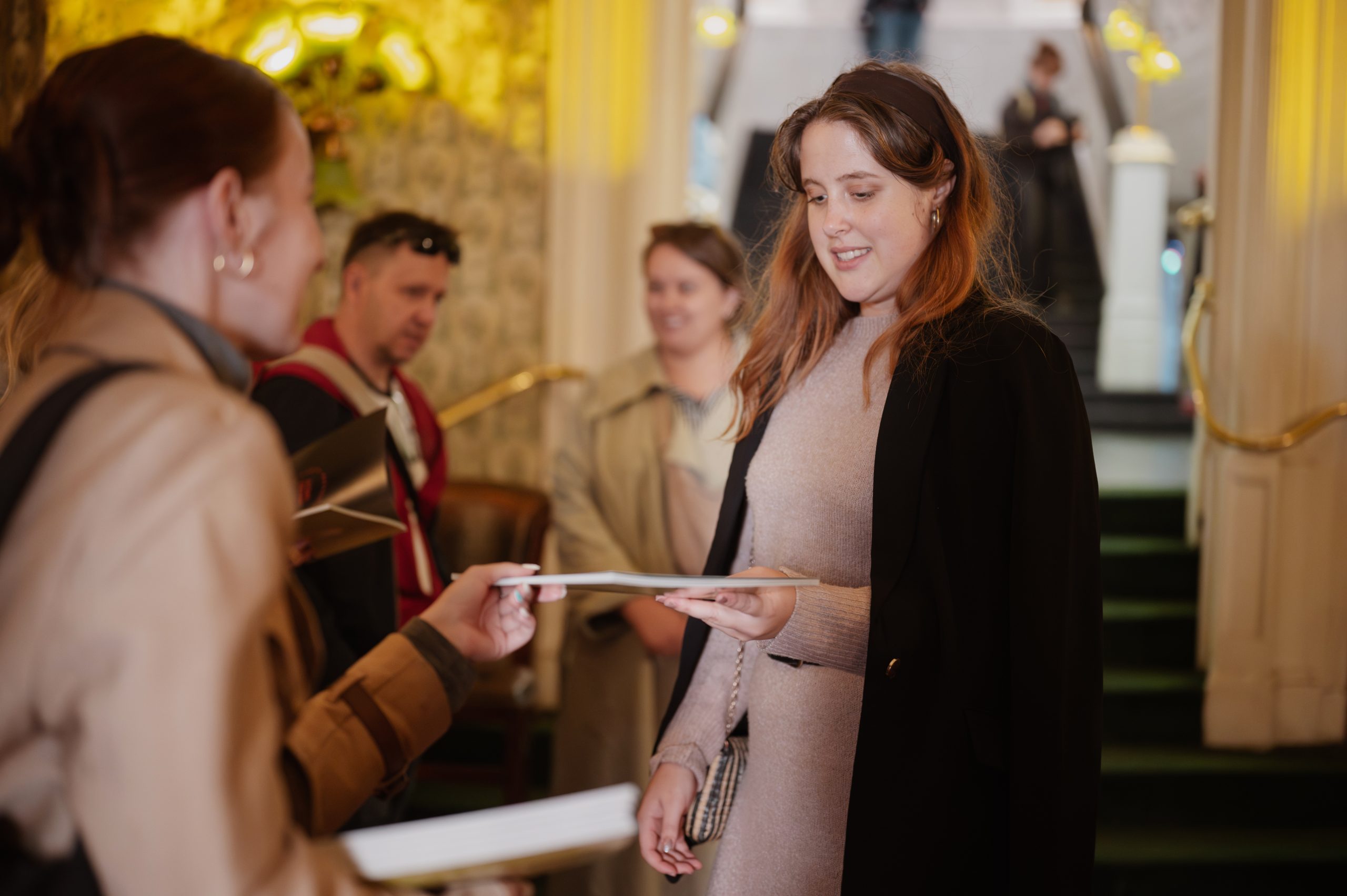
Even the most fascinating cultural stories can easily fade into distant, abstract memories if we fail to find the right way to retell them. Our goal, therefore, was not simply to hand over the publication, but to immerse journalists in an experience that would bring the history of Hungarian songwriting closer to them.
The Idea
We concluded that some of these stories could best be brought to life in the very places where they were born: the streets of Budapest.
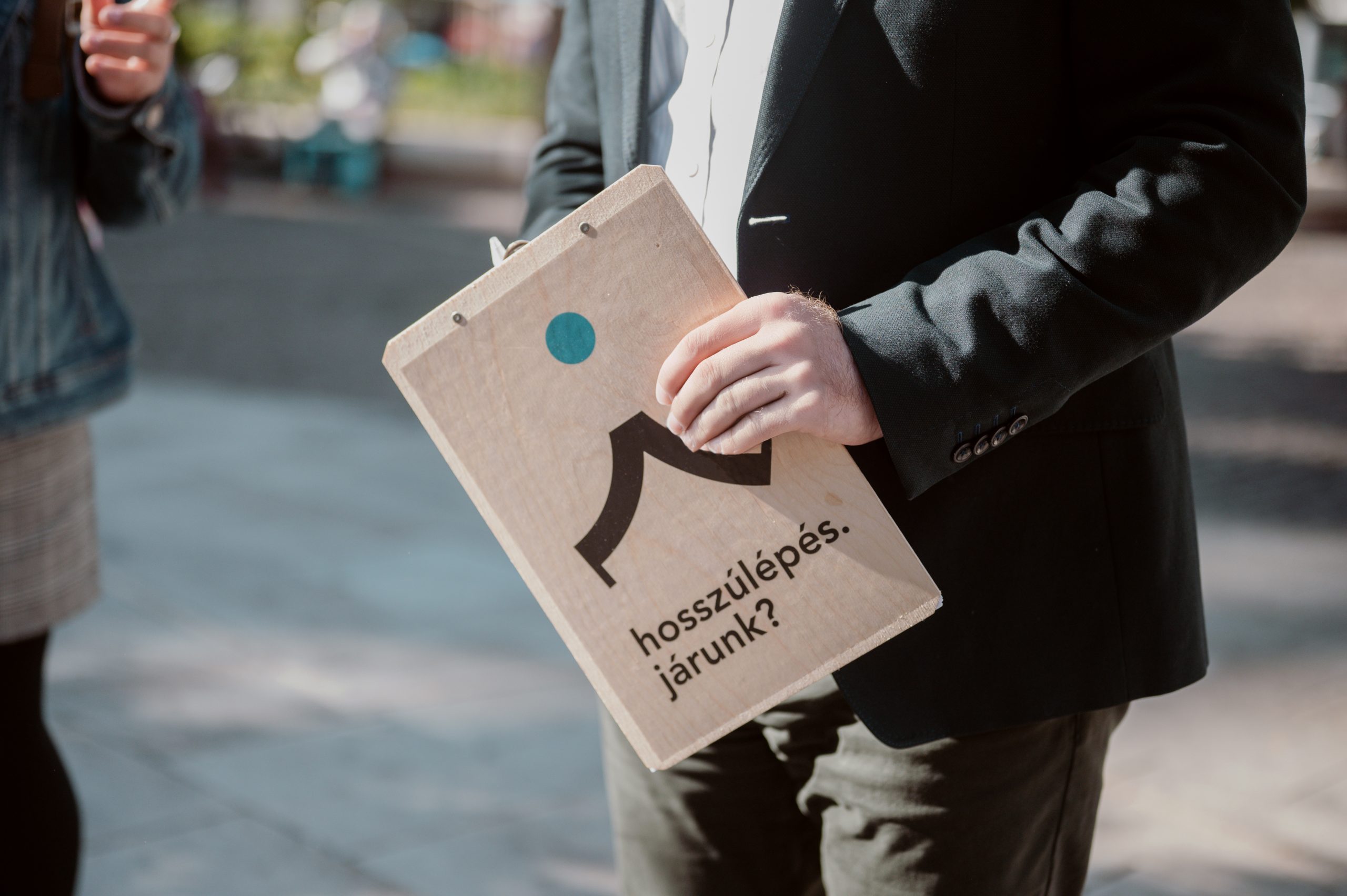
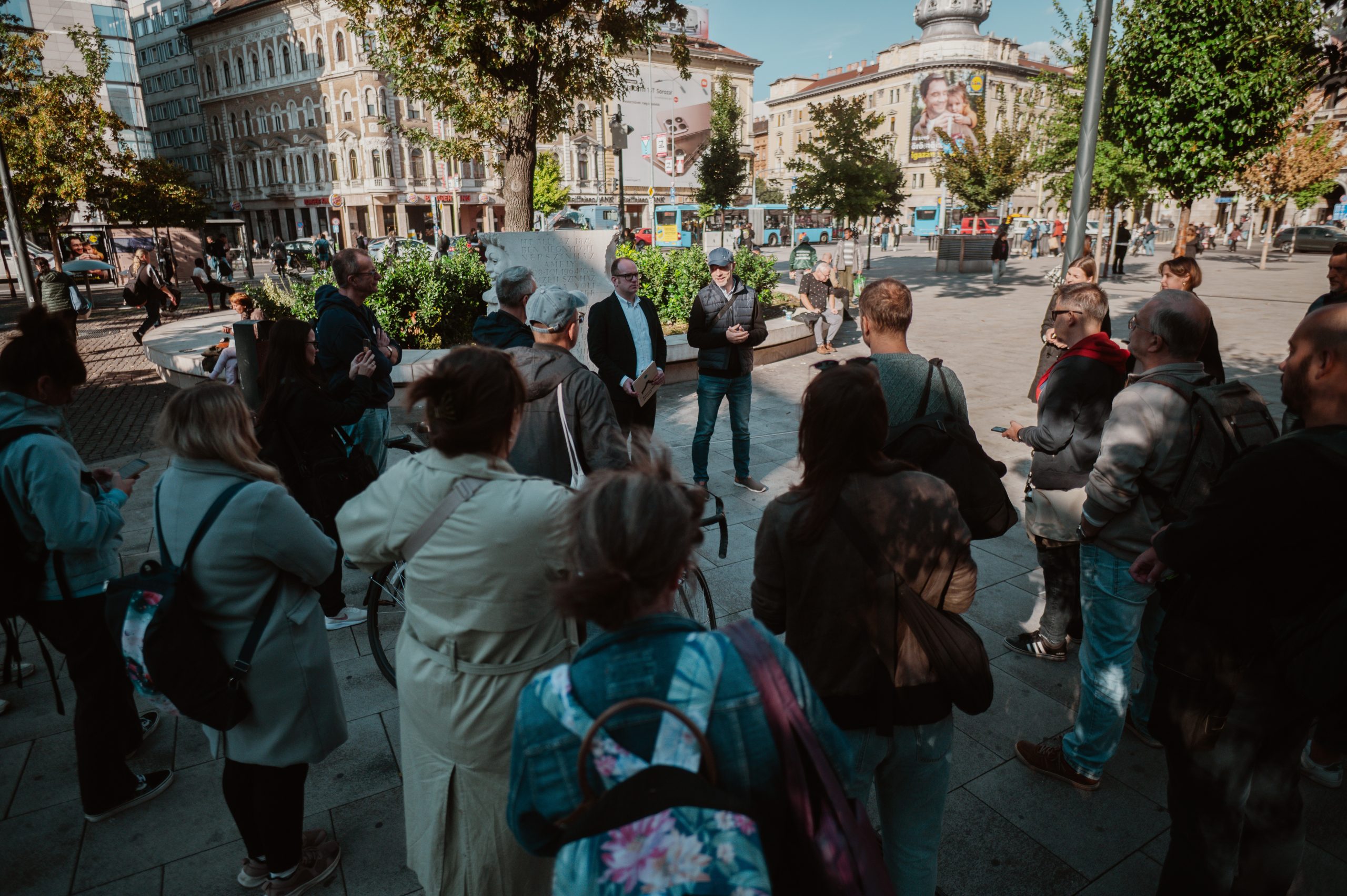
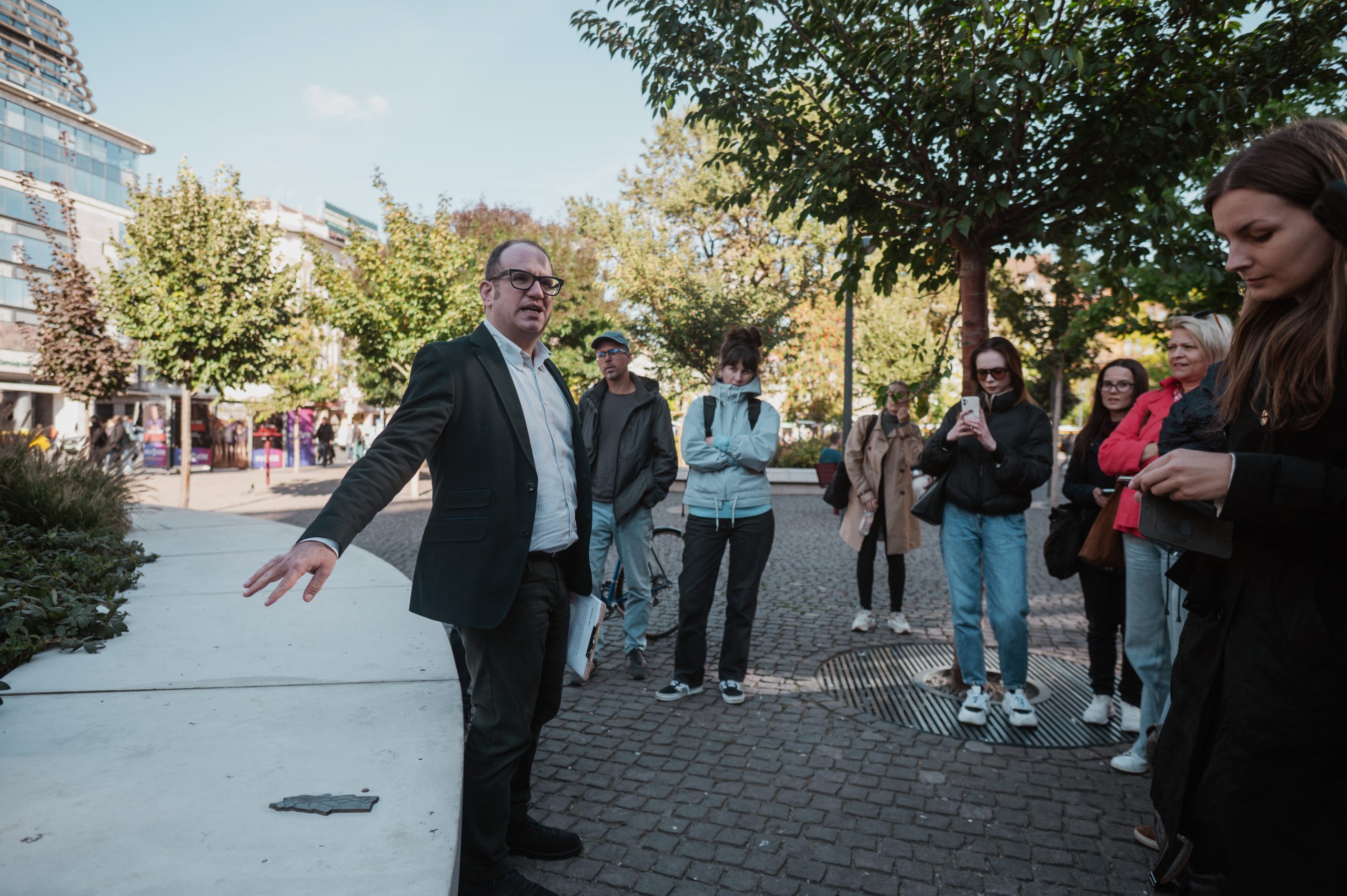
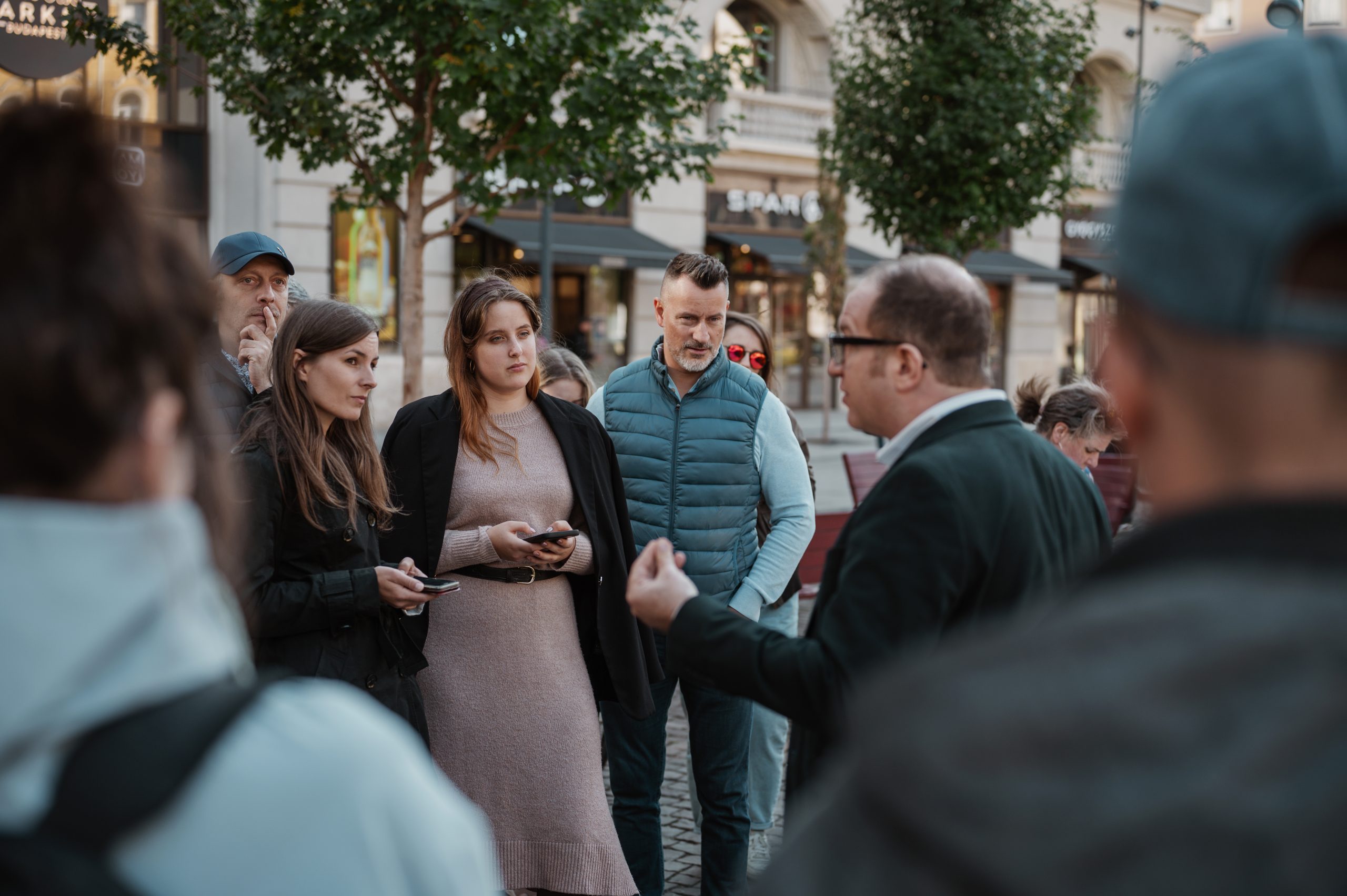
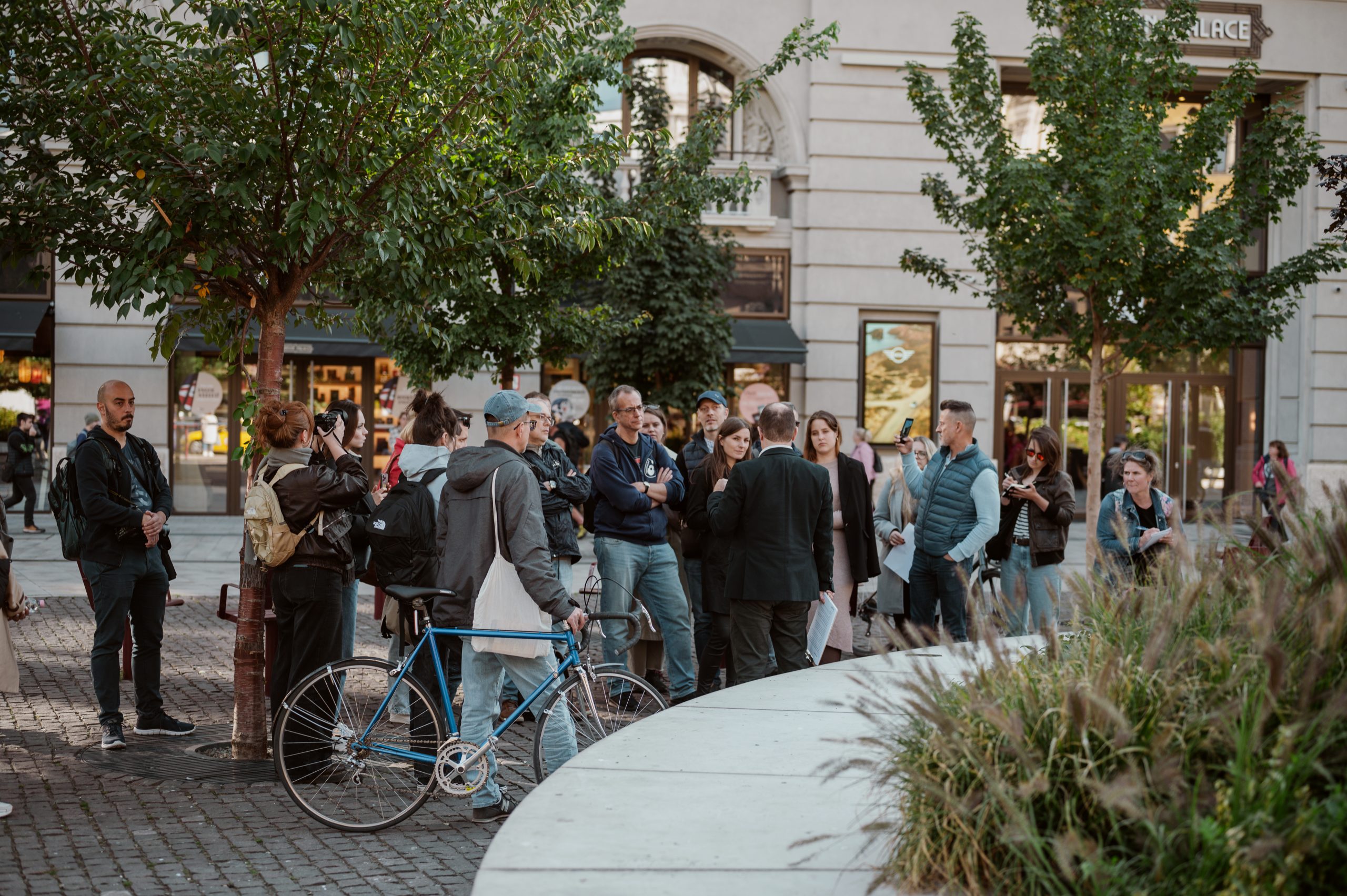
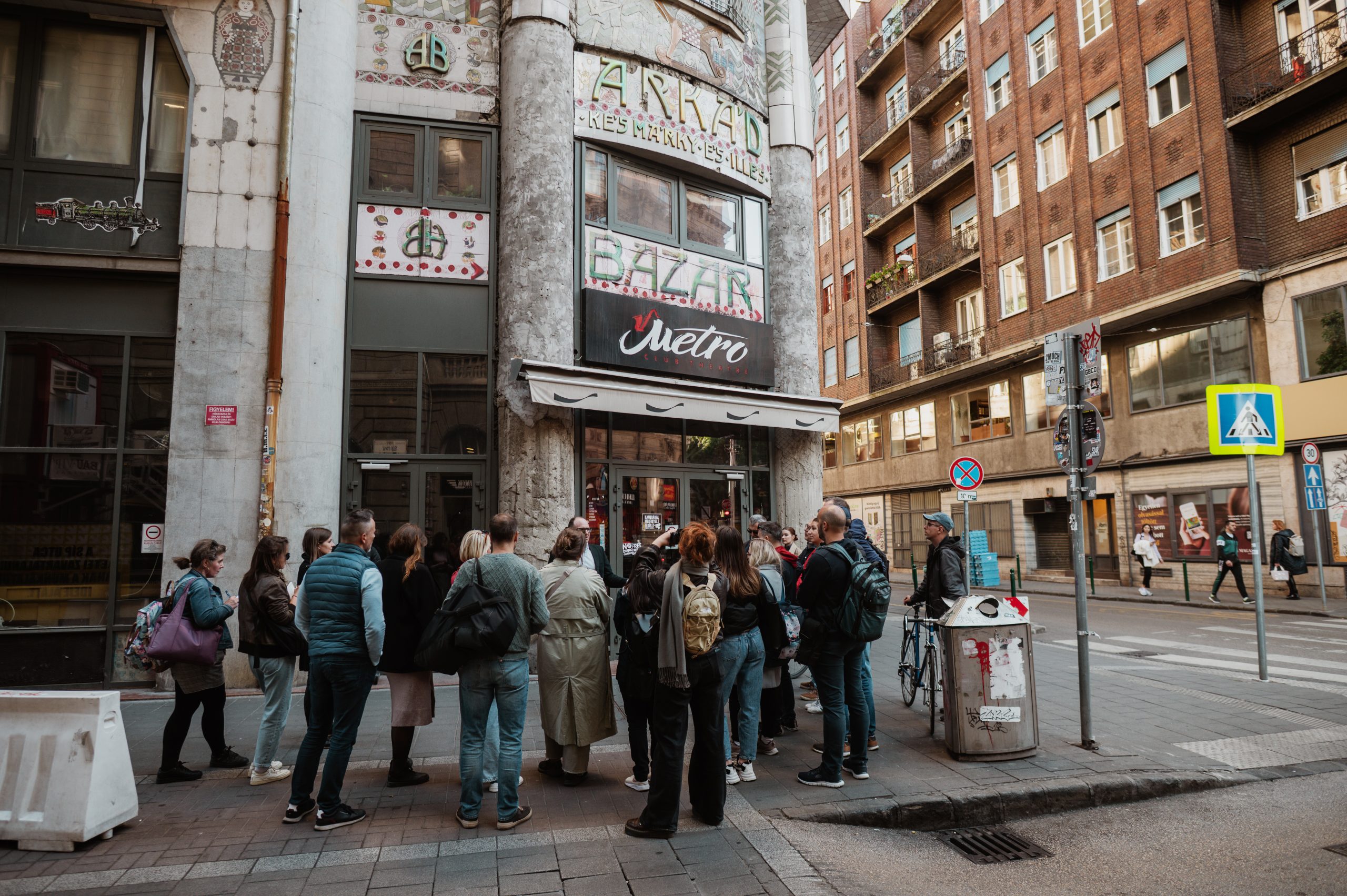
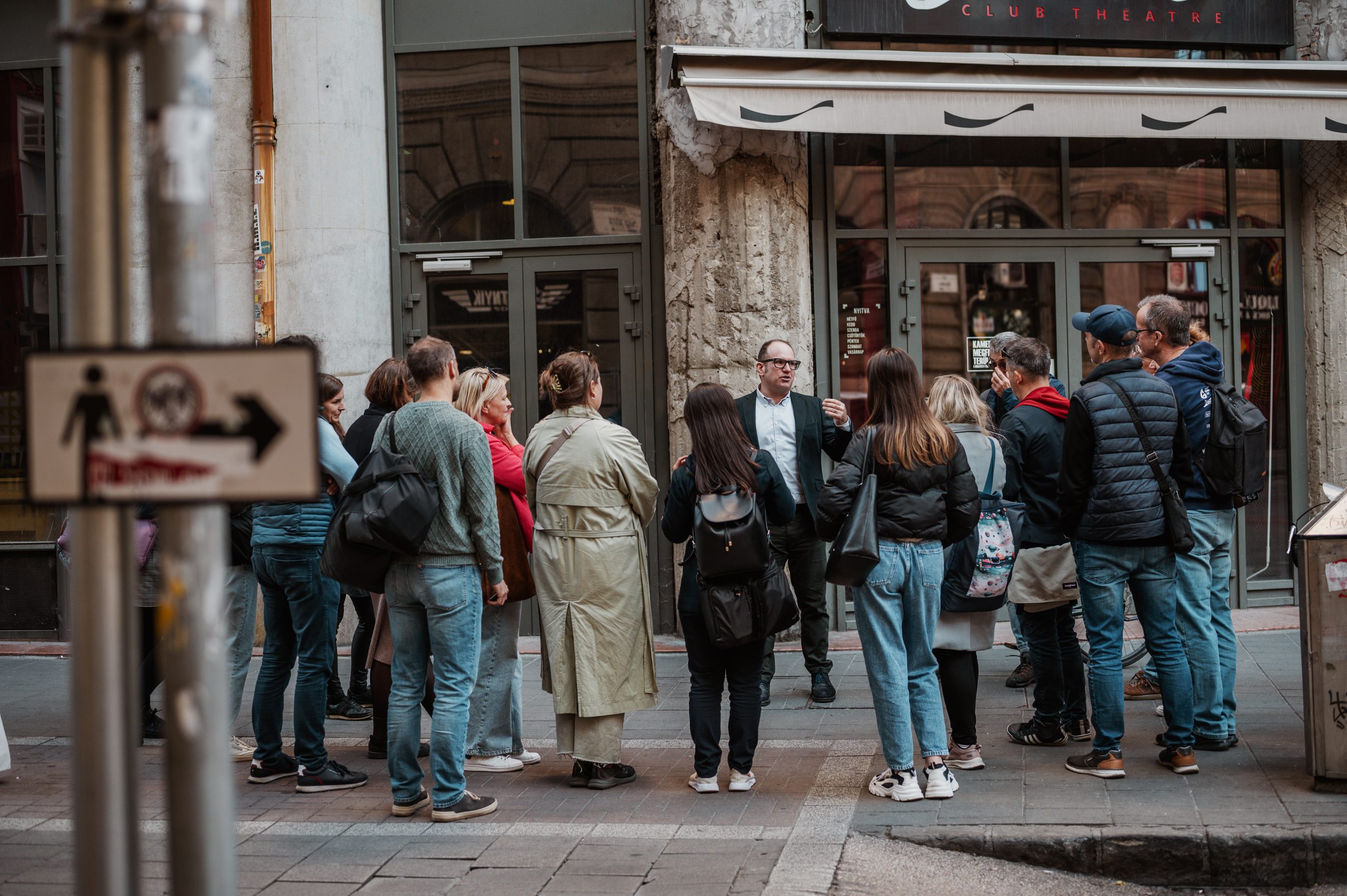
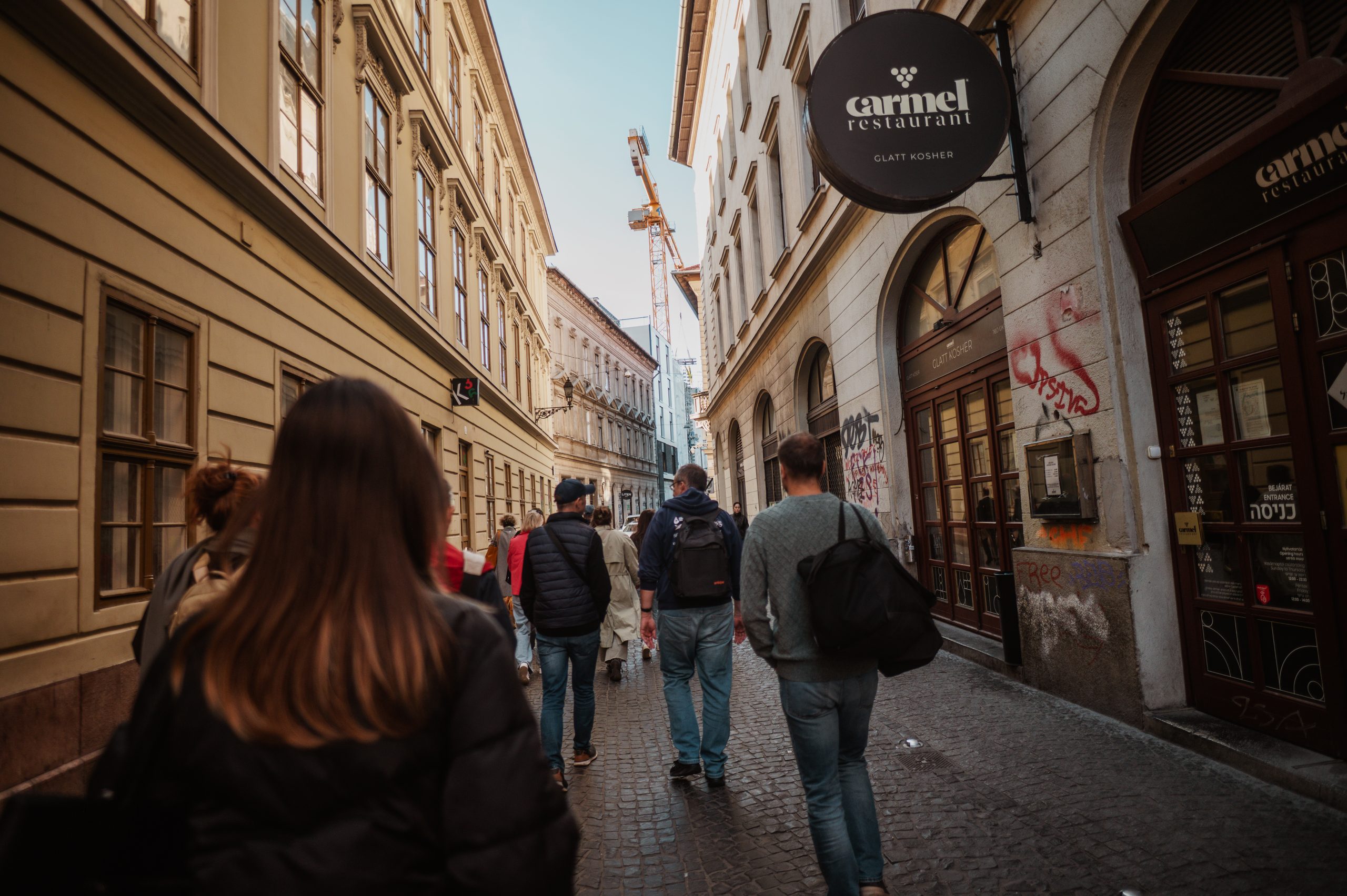
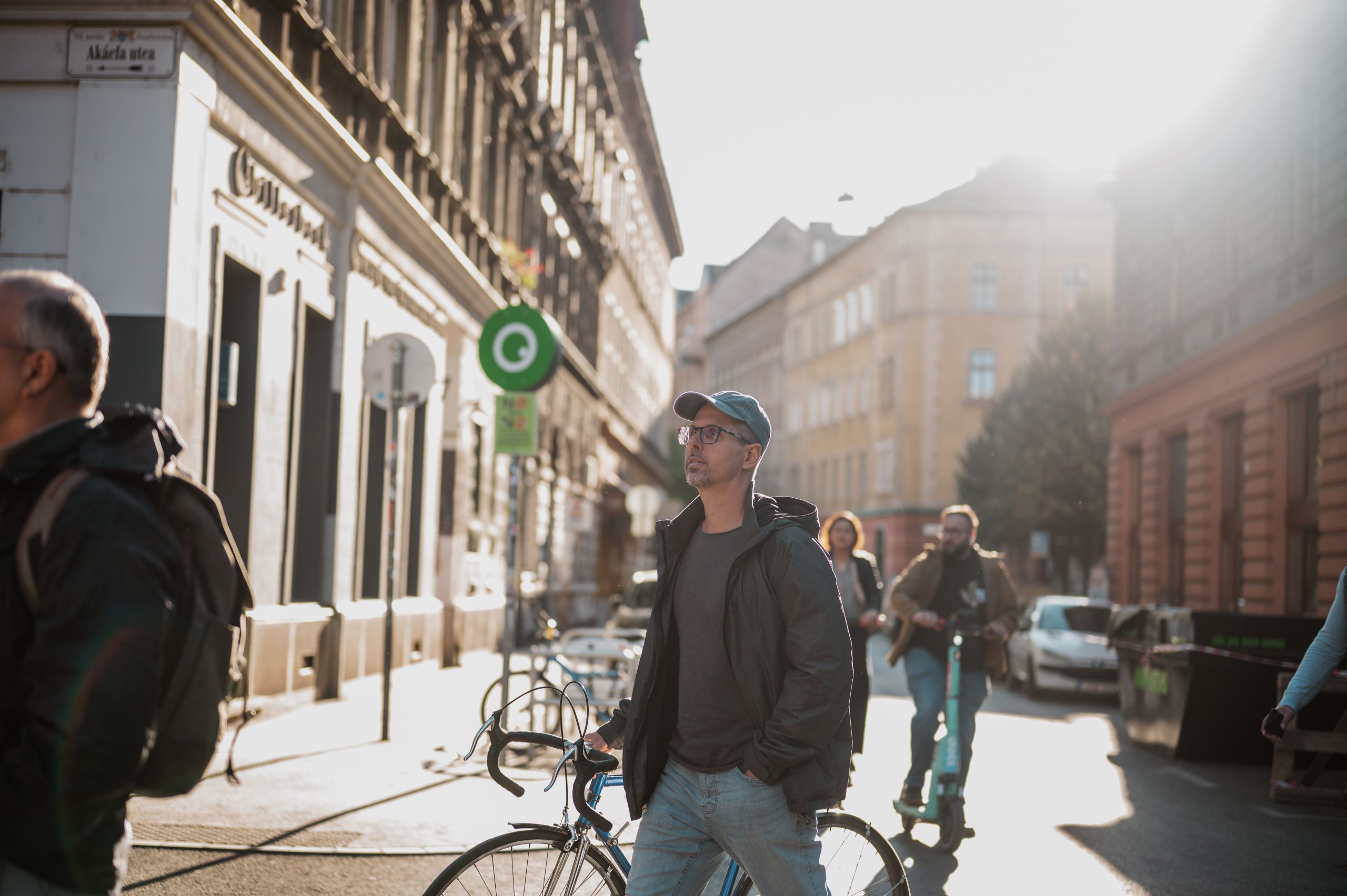
To achieve this, we developed the concept of a thematic press walk and partnered with the urban walking organisation hosszúlépés.járunk?. The organisation was pleased to join the initiative and developed the route and content of the walk.
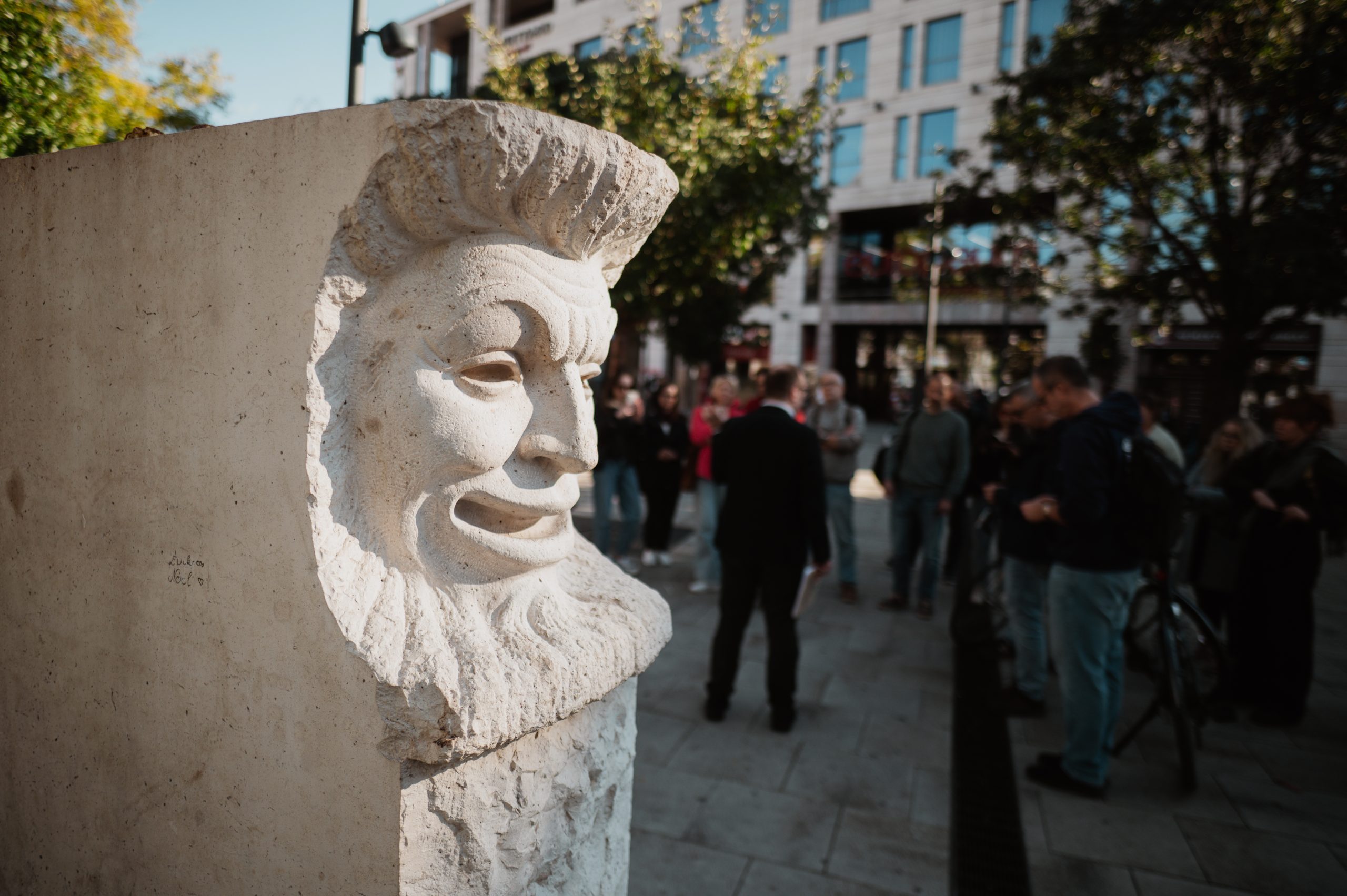
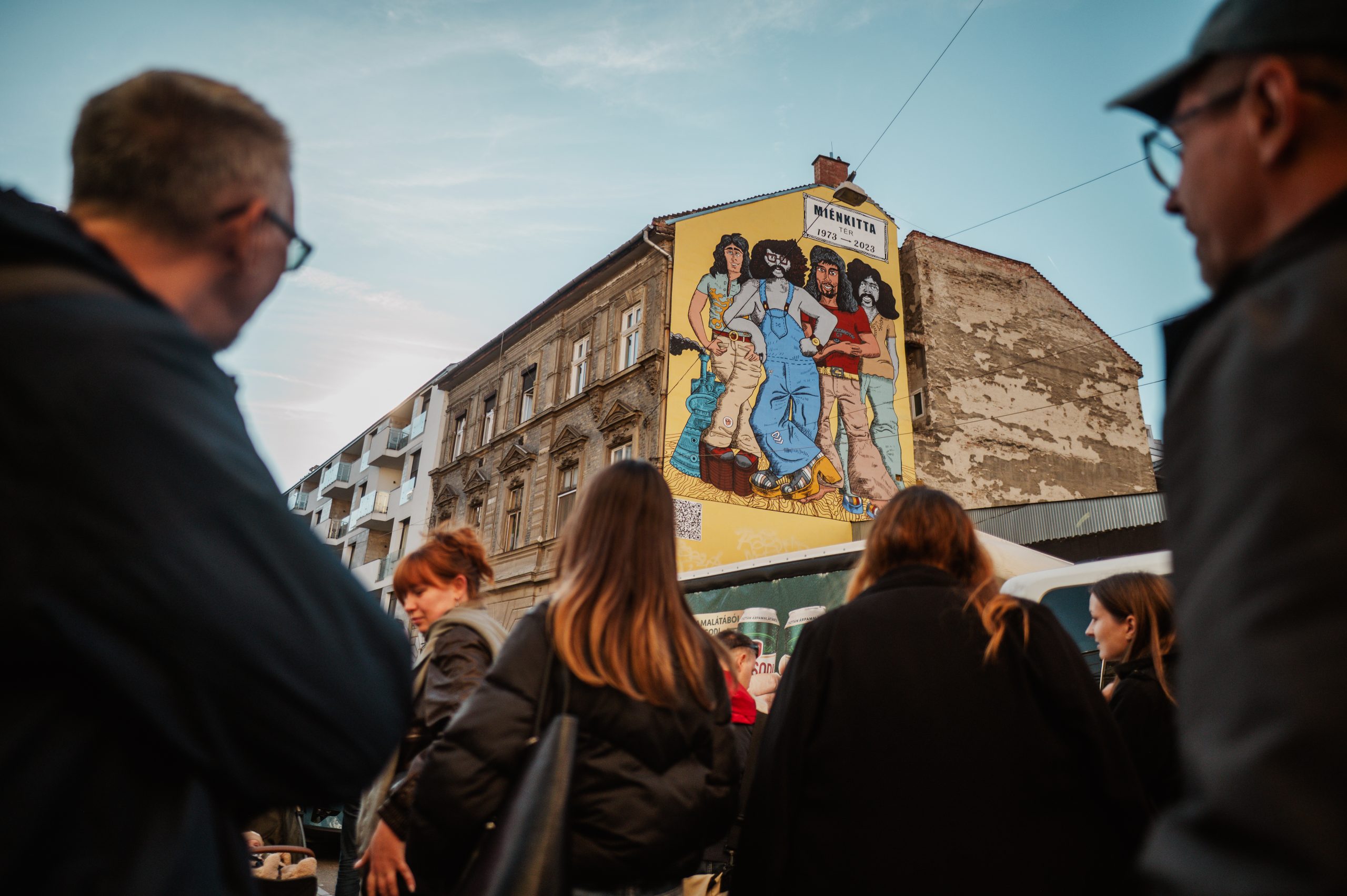
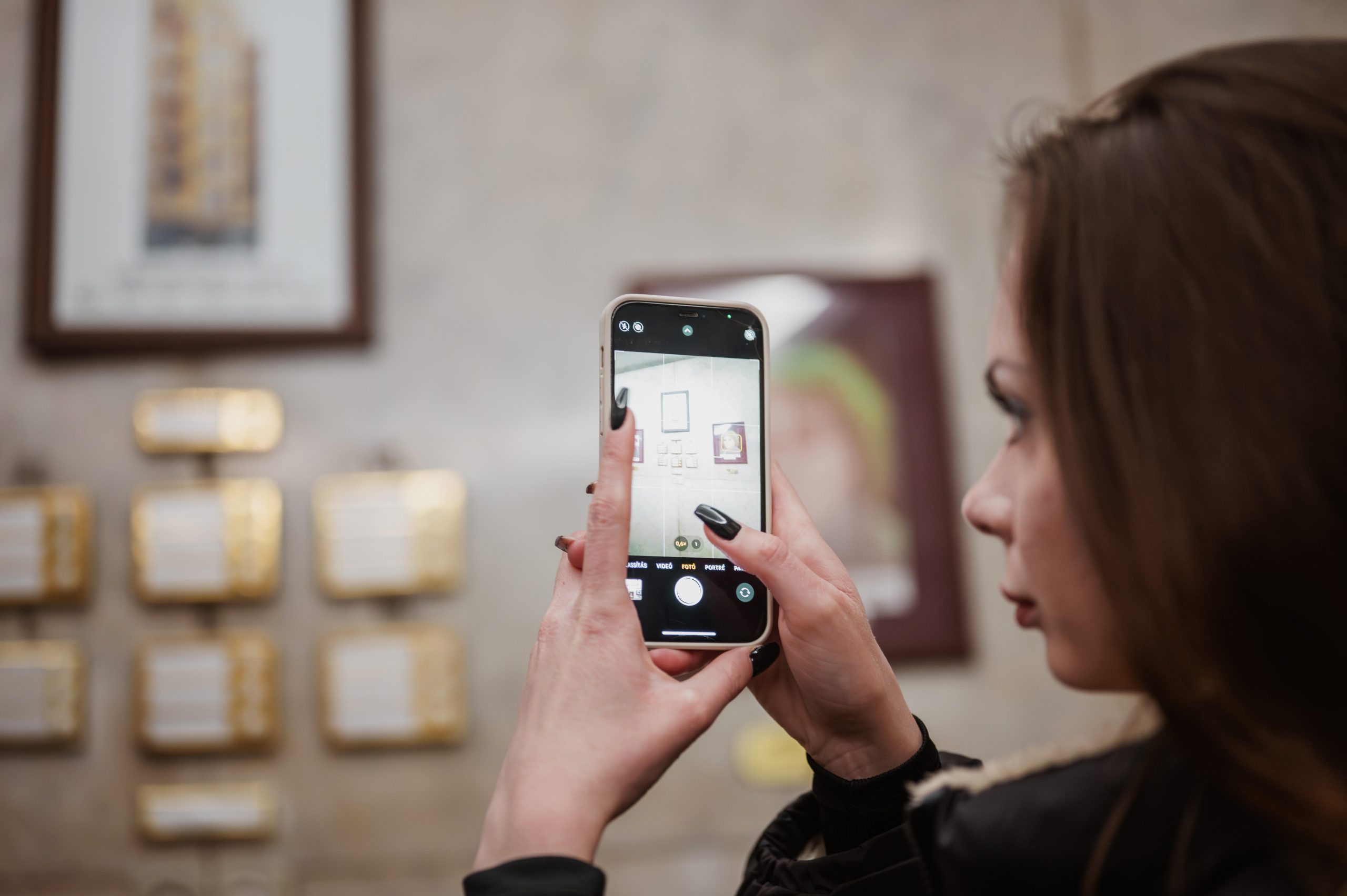
Beginning with Jenő Huszka and continuing through the iconic locations of the Hungarian beat era, the program showed how the history of Hungarian songwriting was written in Budapest’s streets, squares, cafés, and music clubs.
A Shared Experience
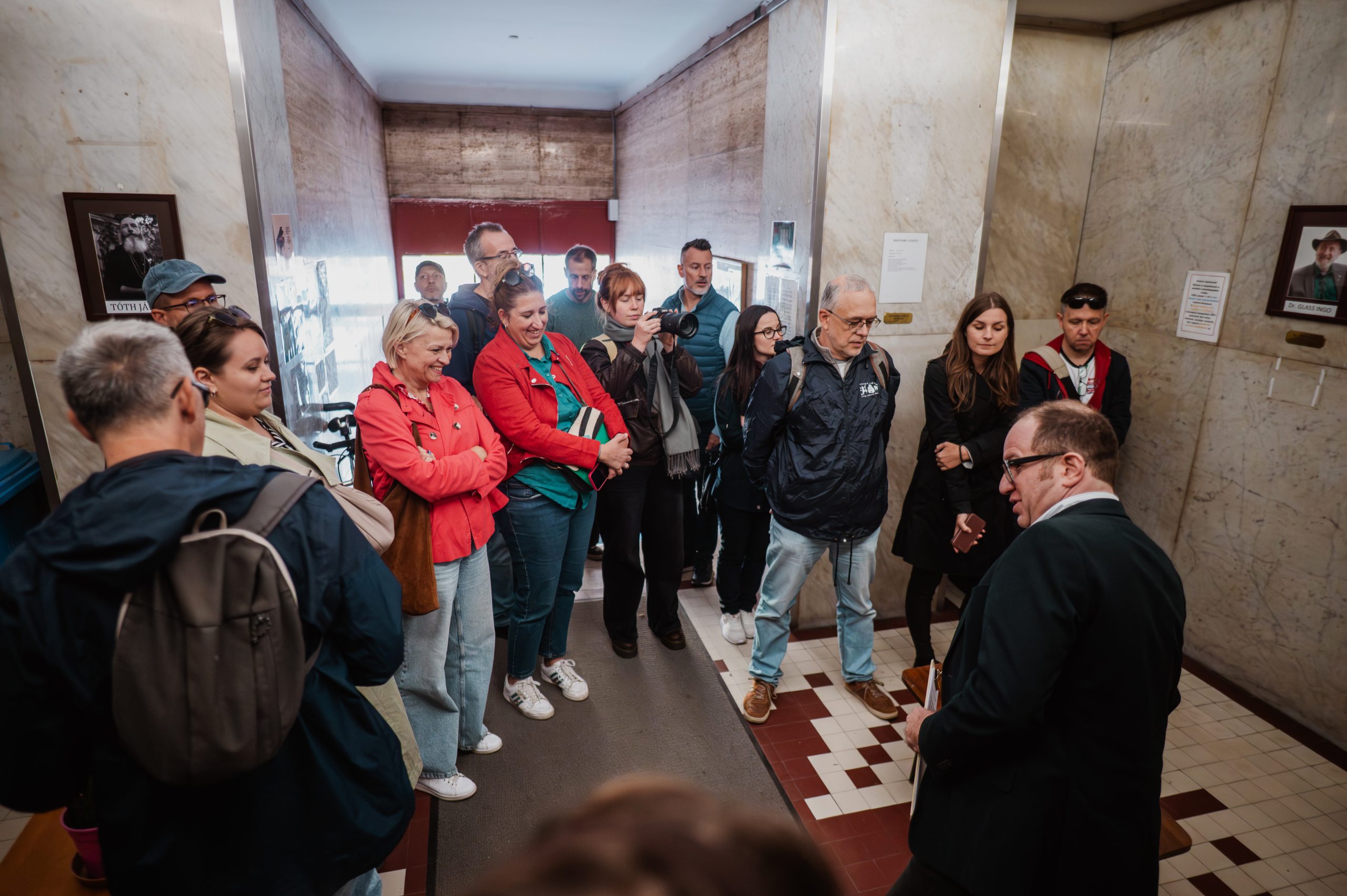
The program aimed to create an experience that would make the message of the Year of Hungarian Songwriting tangible and relatable for journalists.
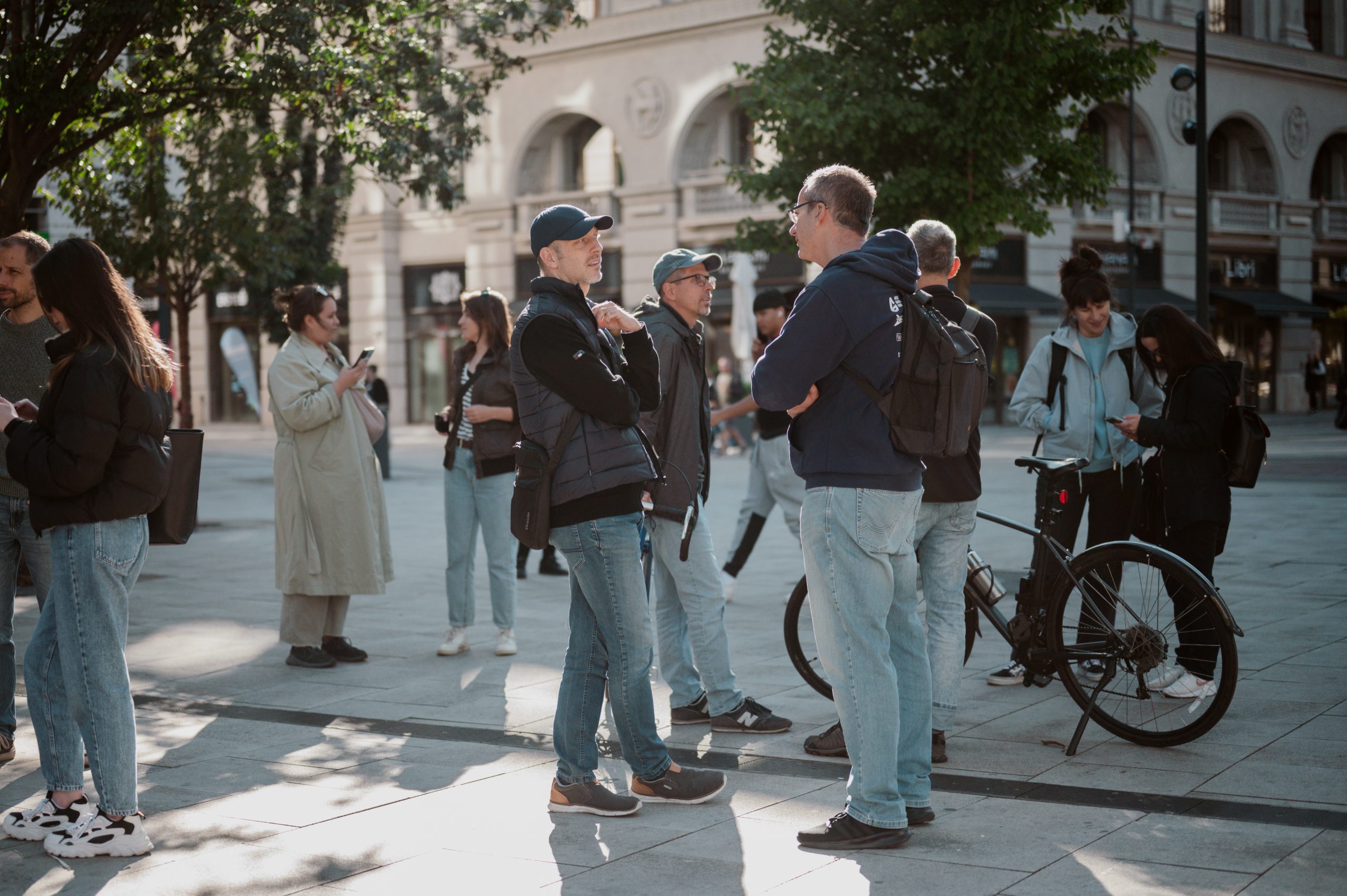
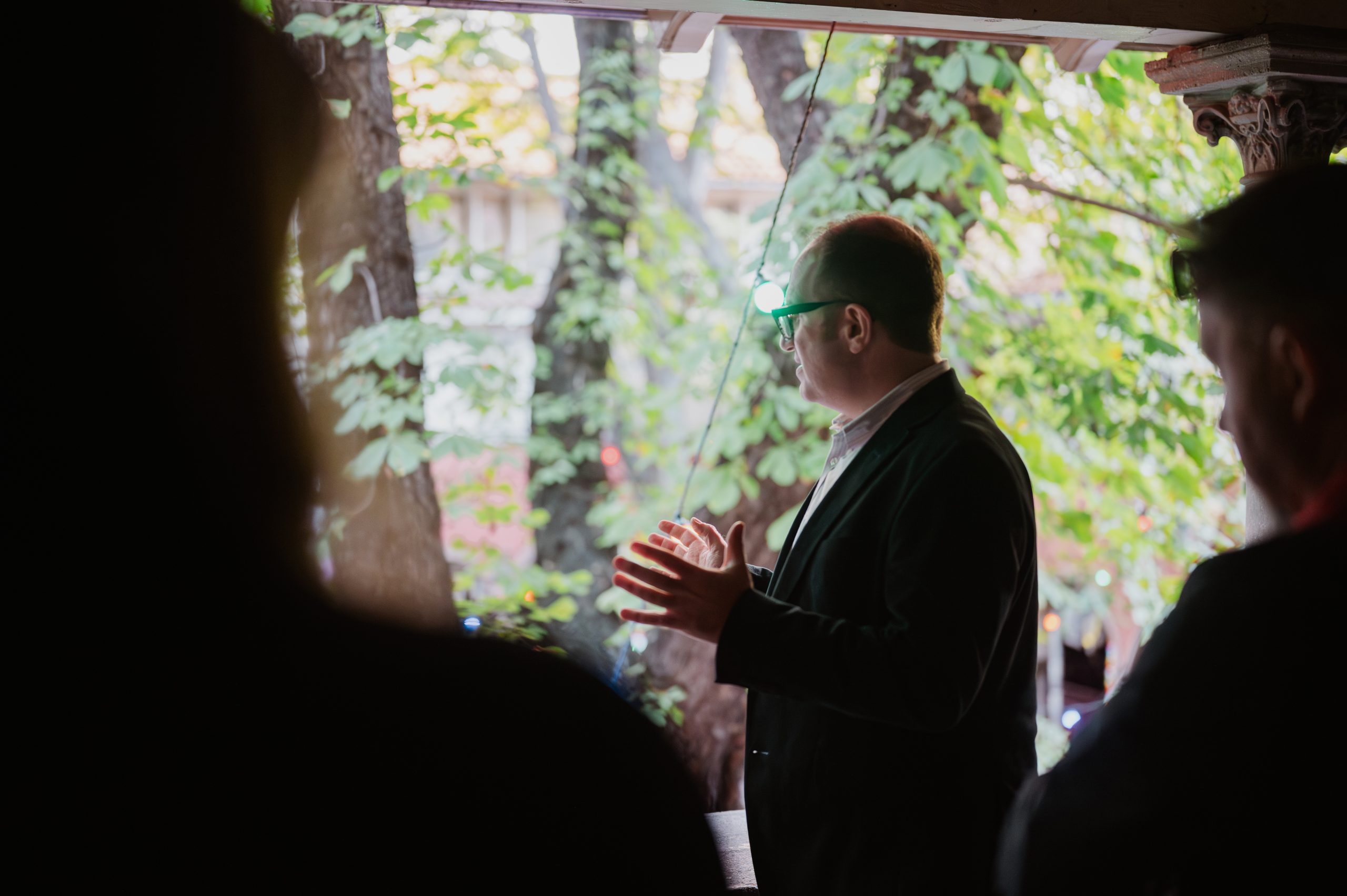
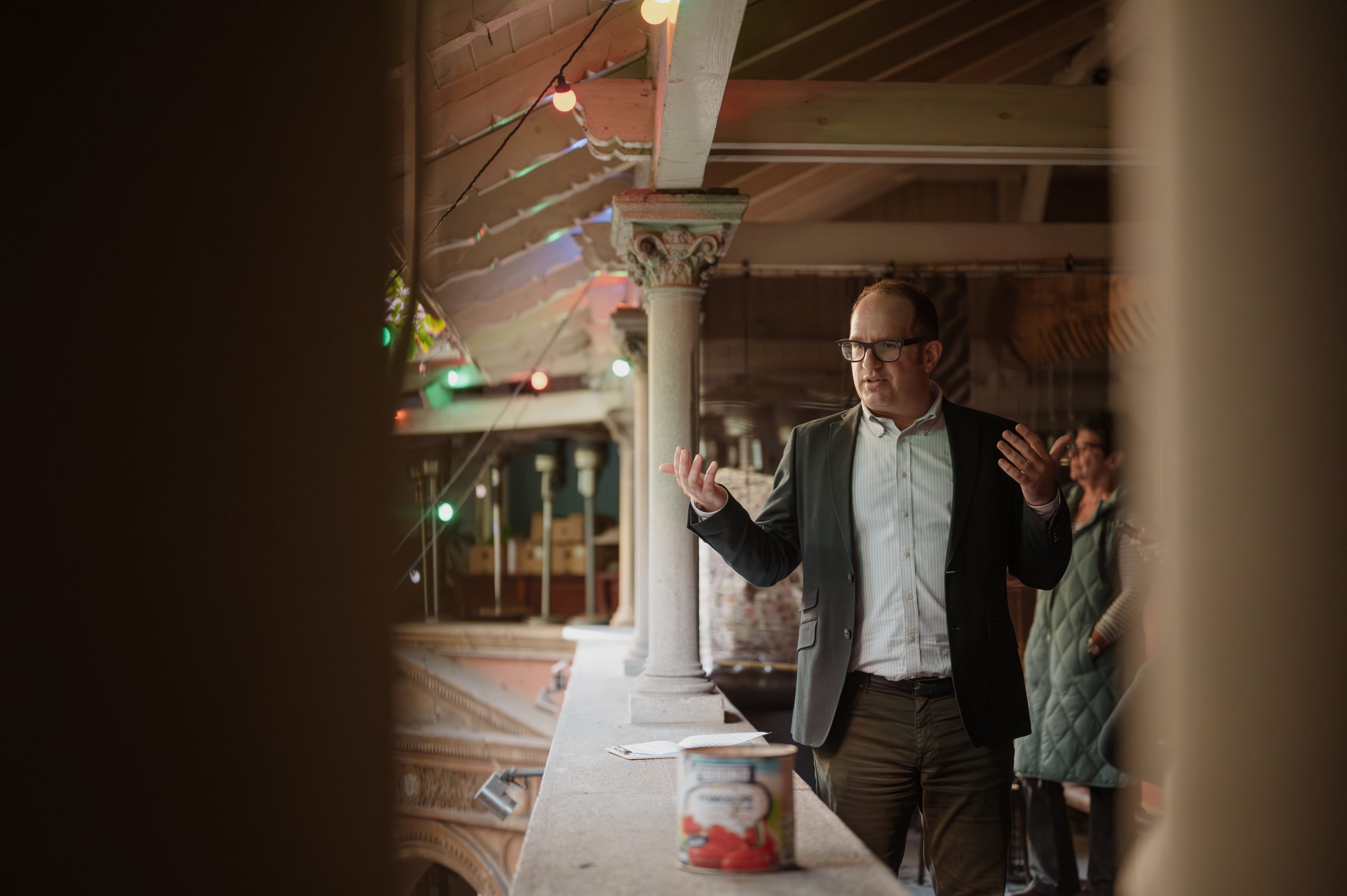
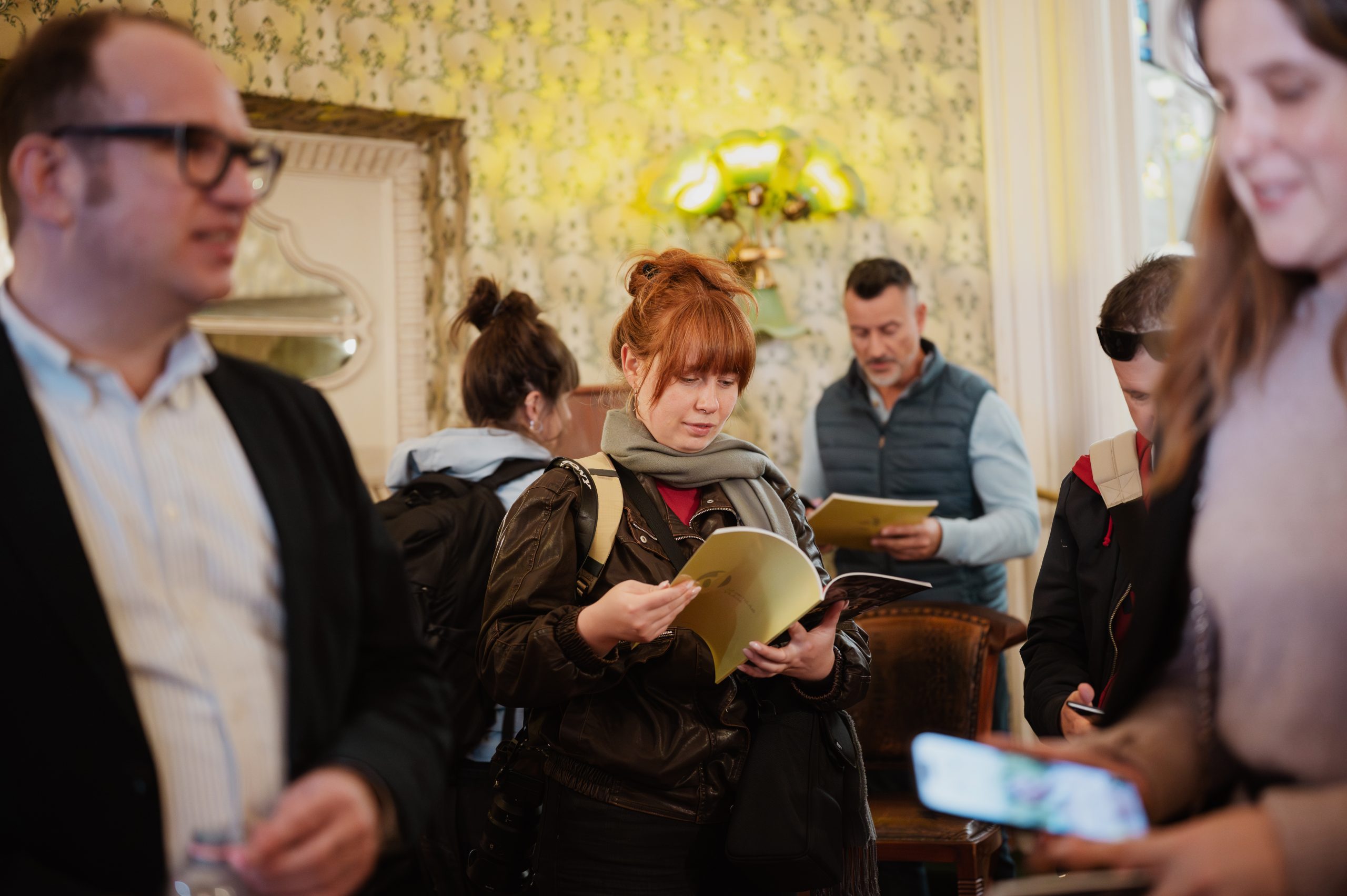
The walks between locations also provided opportunities for informal conversations—interactions that rarely take place at traditional press events. This enabled Artisjus’s communications team and leadership to connect with journalists through a shared cultural experience rather than a conventional media gathering.
Although generating media coverage was not the primary objective, the program nevertheless inspired several participants. As a result, popular local publications including Népszava, Nők Lapja, Femina.hu, and the music magazine Lángoló.hu covered the initiative, while a number of attendees also shared their experiences on their personal social media channels.

A Story That Continues
What makes this project particularly unique is that it extends far beyond a one-off press event. The walk developed through this collaboration remains part of the hosszúlépés.járunk? programme under the title Budapest Beat Revolution, allowing new audiences to discover the key locations of Hungarian songwriting history even after the anniversary year has ended.
Photo credits: Artisjus / Viktória Labancz