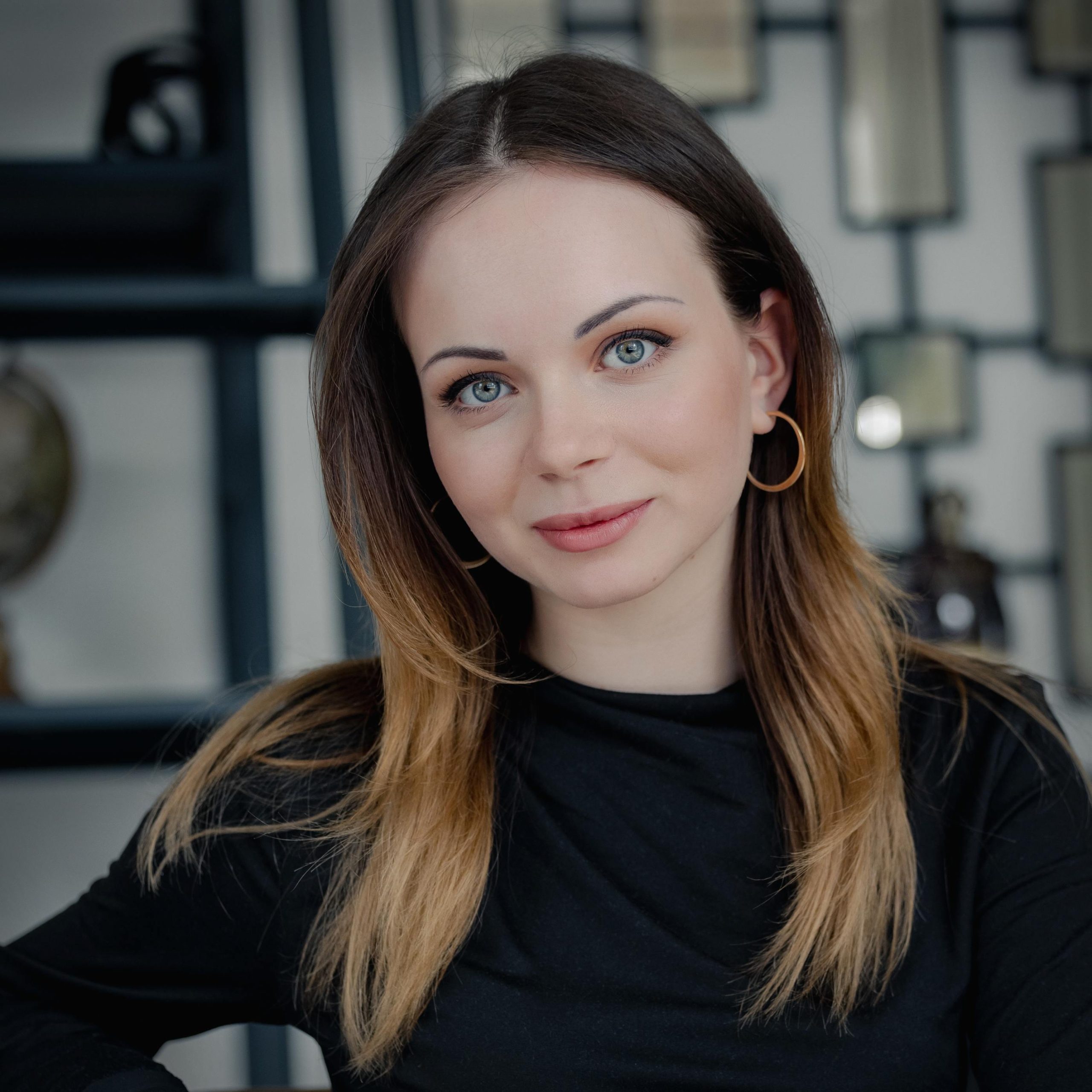
How does Gen Z consume financial and economic news? How should companies communicate with younger audiences, and what should they avoid? Do macroeconomic stories or personal finance content perform better among the under-30s? These were just some of the questions we put to one of France’s most successful young media entrepreneurs, Gabriel Léger, co-founder of Aktionnaire — an economics platform reaching millions of readers every month — whom we met in Paris.
When did you decide to build an economics media outlet specifically for younger audiences? And what was the key insight that traditional financial press simply wasn’t reaching them?
I launched Aktionnaire in January 2021 with a childhood friend, Shaheel. At the time, I had just completed France’s highly selective economics preparatory classes (CPGE), a program often considered elitist. Yet the young people around me were not particularly interested in economic news or investing.
Shaheel and I quickly realized that there were very few media outlets covering these topics, and that the few that did exist felt outdated and had little to no presence on digital platforms.
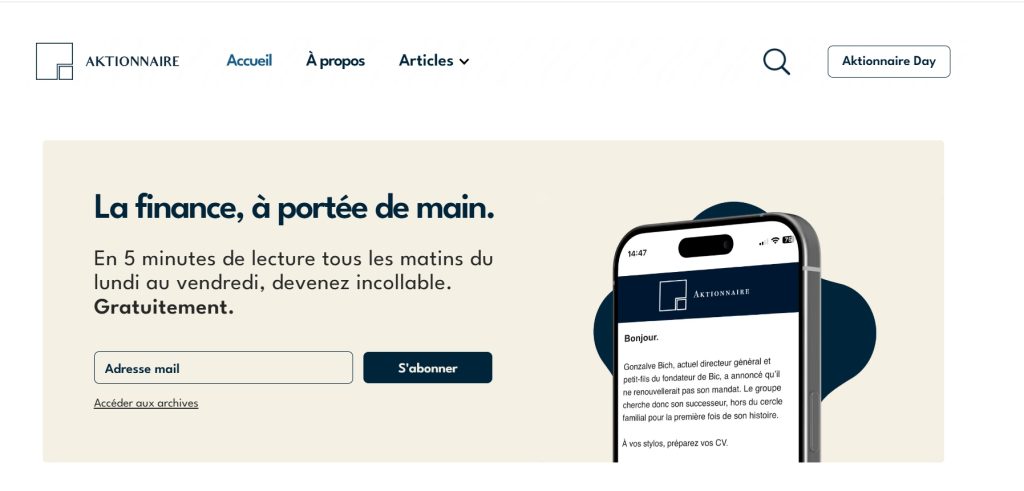
We therefore decided to launch Aktionnaire, a digital media brand aimed at making economics more accessible and easier to understand in France. More than five years later, we have become the leading economics media outlet among young people in France, reaching over 3 million people every month. To us, this proves that French audiences do want to improve their financial literacy – they simply did not have access to the right media before.
Who are your main competitors? I believe not the traditional business/economy media…Do you compete with economic/business influencers and/or journalists posting at their own platforms?
Our competitors are relatively few. We operate on a hybrid model that sits somewhere between traditional media outlets – with strong journalistic standards and rigor – and finance-focused influencers, who tend to have a lighter tone and a stronger digital presence.
How does economic content need to ‘sound’ differently when it’s aimed at Gen Z? Are there words, phrases or communication habits you consciously left behind?
Tone has been a major focus throughout our development. From the beginning, inspired by American models such as Morning Brew, we wanted to establish a distinctive editorial voice, incorporating touches of humor and moments of lightness.
Above all, we deliberately avoided overly corporate language. The idea is to challenge preconceived notions about how economics should be covered and to make the subject more digestible and accessible.
What have been your best-performing pieces over the past year or two, and what did they have in common? What did they teach you?
Our best-performing content has primarily been video, particularly around mainstream subjects whose business models we analyze.
For example, we produced a video about Rolex, exploring the company’s history and business model. The video generated more than 600,000 views on YouTube and nearly 1 million views in short-form vertical formats.
The common denominator among our top-performing content is a strong hook, excellent execution and production quality, but above all, exceptionally well-researched substance. The goal is for viewers to think: “Wow, I never thought I would be interested in this topic, and I learned a great deal from it. I should subscribe.”
Are there economic topics or content formats you tried that Gen Z audiences simply didn’t engage with? What reliably loses them?
Overly corporate formats, without a doubt – whether in terms of tone, storytelling, or production style.
Does Gen Z respond better to content where they feel personal financial stakes – housing, the job market, investing – than to macro-level stories? Where does that line fall for Aktionnaire?
No, that is not something we have observed. At Aktionnaire, we cover both types of content, with a strong emphasis on macroeconomic topics, and those topics perform very well.
What matters most is how the story is told.
For example, this year we were invited by Kering, the luxury group, to cover its Capital Market Day in Florence. We could have simply published a corporate article presenting Kering’s results in a factual way. Instead – and this is what we chose to do – we built a story around those results, focusing on how an automotive industry executive was making a major bet by joining a luxury group going through a challenging period.
The result was more than 700,000 views for the campaign.
Gen Z is highly sensitive to authenticity and conflicts of interest. How have you addressed this editorially? And what would you advise a company trying to win this audience with economic content?
We have fully integrated this reality into our editorial approach. Audience trust is everything.
On social media, it is not particularly difficult to go viral overnight. The real challenge is building an engaged audience that sees your media brand as a trusted, reliable and rigorous source of information.
Do you see signs of how today’s 20-25 year-olds will consume economic content in 5-10 years’ time? What’s Aktionnaire’s next big bet?
Social media platforms evolve far too quickly for anyone to confidently predict what their future will look like.
What we do know is that we will need to remain agile and continue investing in the strengths that define us, especially in the age of AI: a strong brand, rigorous journalism, and a distinctive editorial voice that is recognizable and cannot simply be replicated by AI.
Aktionnaire’s next big bet is to become the leading economics media brand in Europe. We plan to launch in another European market by 2027 and to pursue with many more European countries.
No other media outlet has successfully established this kind of presence, but we believe we can.
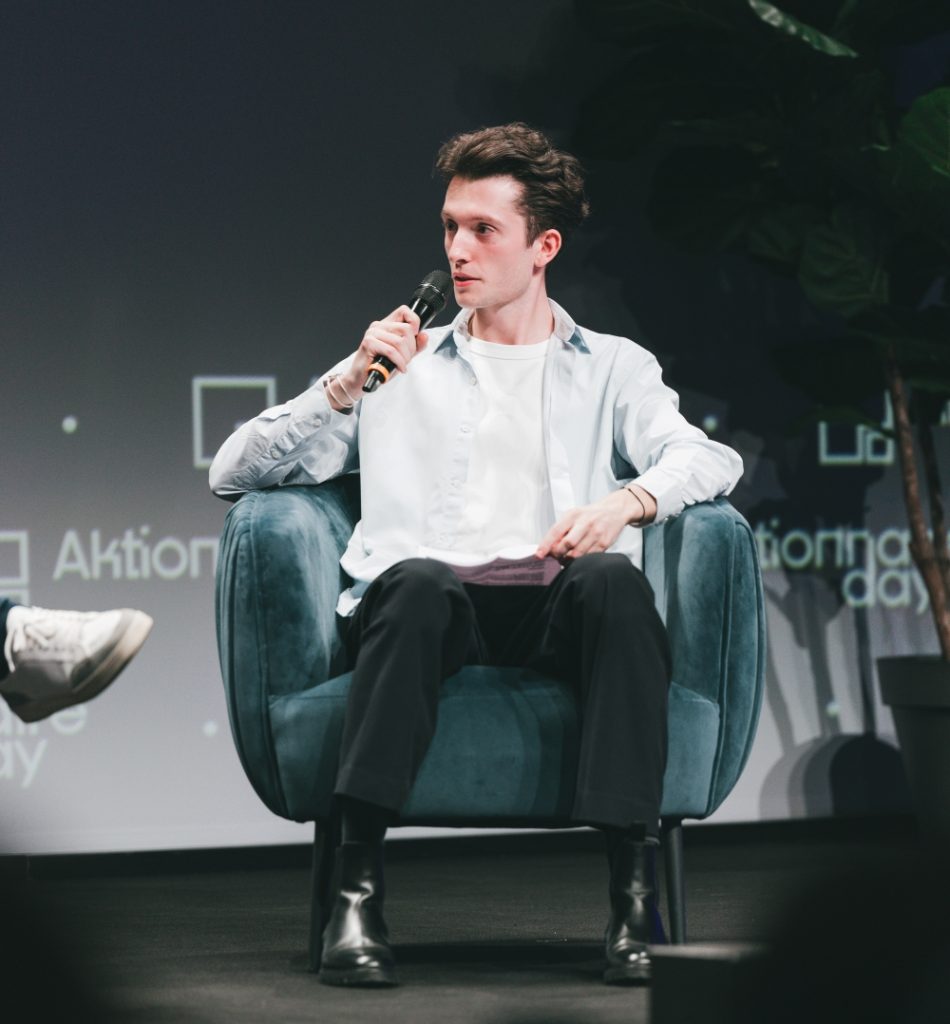
Gabriel Léger
After completing two years of intensive preparatory classes in economics (CPGE) for France’s top business, he joined emlyon Business School. There, he completed a dual degree program with the University of Lyon’s Law School and later with Paris Dauphine University, where he earned a Master’s degree (Master 2) in Business Law.
Alongside his studies, he co-founded Aktionnaire. He then passed the Paris Bar exam and subsequently joined Aktionnaire full-time.