STADA Palánta Program
There was a time when almost every Hungarian household had a dedicated drawer for plastic bags, with the most treasured ones carefully saved for “special occasions.” Today, reusable tote bags are slowly taking their place—not necessarily because everyone suddenly became environmentally conscious, but because our Everyday habits have gradually changed. Real behavioural change takes time.
There is, however, an easier way to shape habits: if children grow up believing that seasonal vegetables are simply part of everyday life, that regular physical activity is normal, or that an apple can be delicious even if it isn’t perfectly round, they don’t have to change their mindset later. Those values become their starting point.
This is exactly what the STADA Palánta (Seedling) Program is about.
The Challenge
Twice a year, the STADA Palánta Program visits a kindergarten or school that also supports children from disadvantaged backgrounds. STADA employees volunteer their time to build raised garden beds, install football pitches and improve the school environment, while expert partners — including Civil Impact Ltd. and the Responsible Gastro Hero Foundation—deliver engaging, age appropriate educational sessions on healthy eating, sustainability and active lifestyles.
The programme made a genuine difference to the children and the local communities it reached. The challenge was how to extend that impact beyond the school gates and spark a nationwide conversation around the same issues.
Our Solution
We realised that education shouldn’t stop with children.
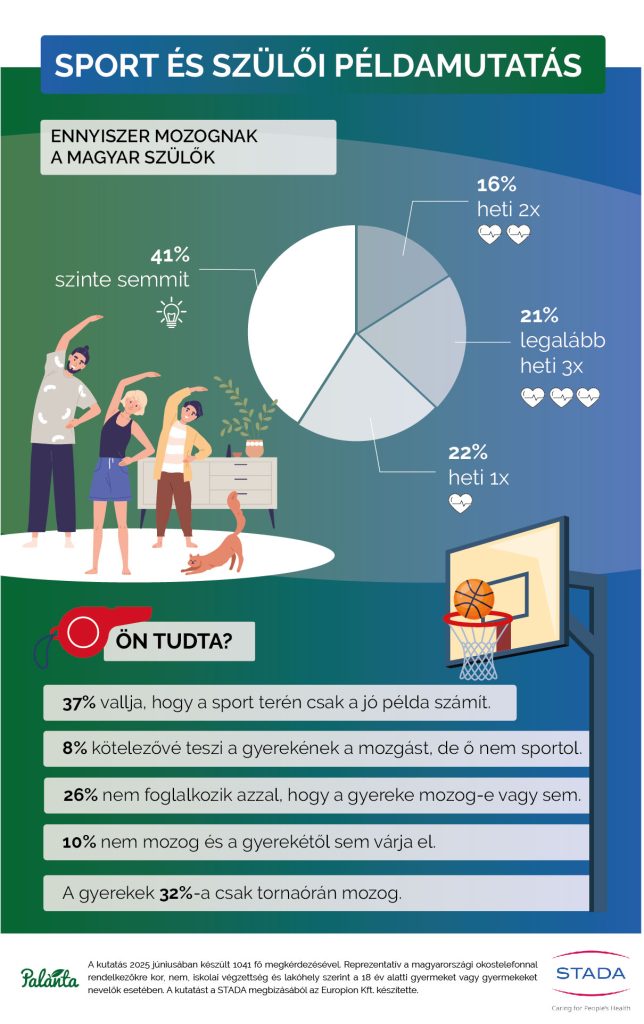
We launched a series of nationally representative surveys exploring how Hungarians think about nutrition, seasonal food, fruit and vegetable consumption, physical activity, and the role of parents in shaping healthy habits.
The findings revealed that adults’ knowledge and everyday practices are often far less conscious than many would assume.
We then linked every STADA Palánta Program visit to the communication of one of these national research findings. As a result, each local volunteering event became part of a broader public conversation. We were able to communicate not only the activities taking place on site, but also the wider social challenges that made the programme necessary in the first place.
Results
Thanks to the research-driven communication strategy, the STADA Palánta Program evolved from a local volunteering initiative into a nationally recognised conversation about health, nutrition and lifestyle.
The press releases were picked up not only by local media, but also by national news portals, women’s magazines, lifestyle publications, healthcare and business media, as well as professional trade outlets. STADA representatives also discussed the research findings and the programme’s objectives in several radio interviews.
Within two years, the programme generated more than 100 media appearances, with every piece of communication reinforcing the initiative’s core message: meaningful behavioural change does not begin with a campaign—it begins with the children we inspire today through better examples.
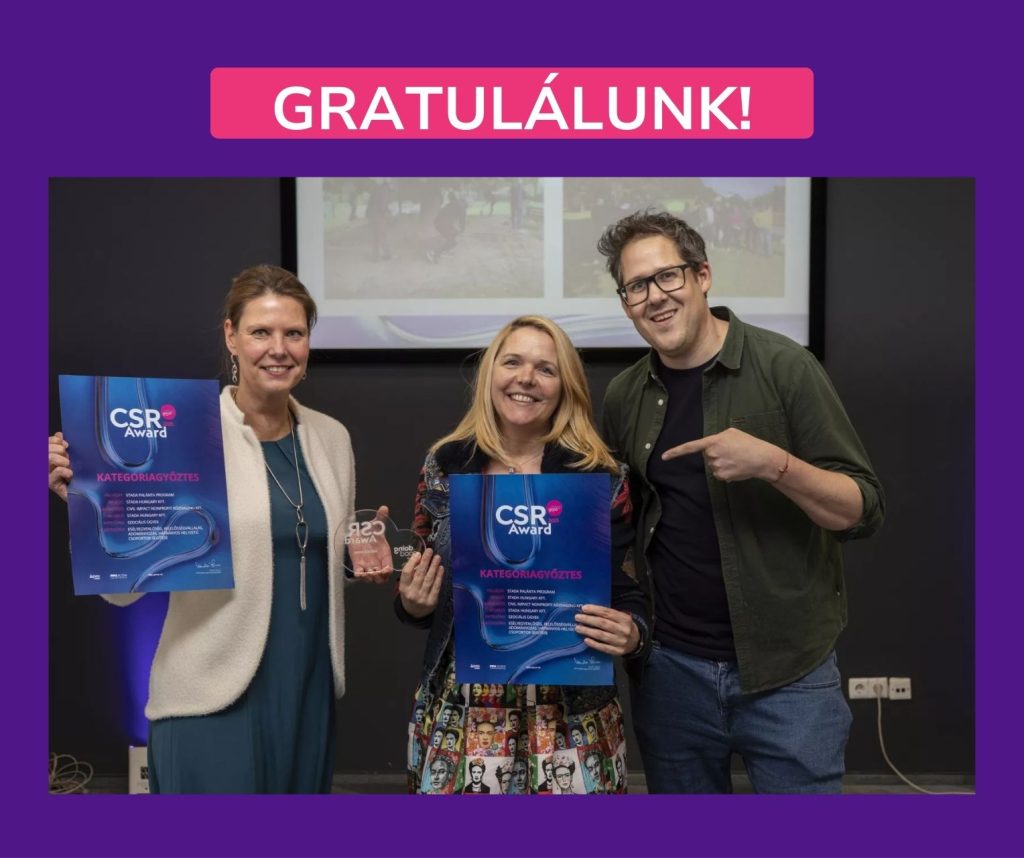
The STADA Palánta Program was named Category Winner at the DoingGood CSR Award 2025, organised by PPH Media.