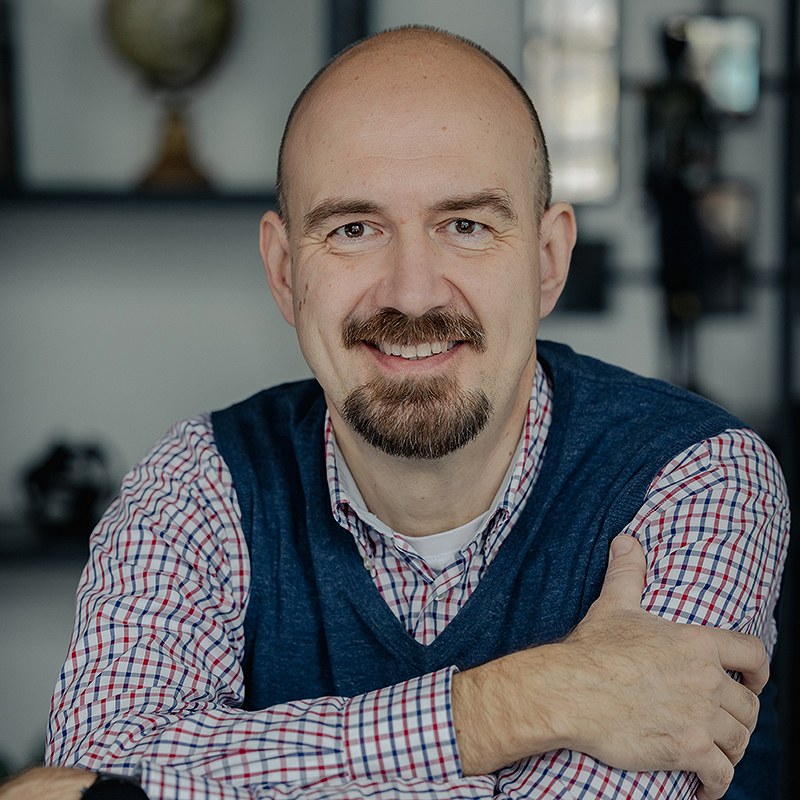
An animal can’t pose, it doesn’t understand instructions so how do you still tell a story when your main subject refuses to cooperate?
The most important thing is patience. You have to observe the animal, give it time, and slowly build trust with it. They’re just as unique as we are: some will come to you immediately for a cuddle, while others are more reserved.
You don’t form a “connection” with every dog. There was one where we only got as far as a quick hand sniff, and after that it focused entirely on its owner. In these cases, I don’t force anything — I step back and capture the moments almost invisibly.
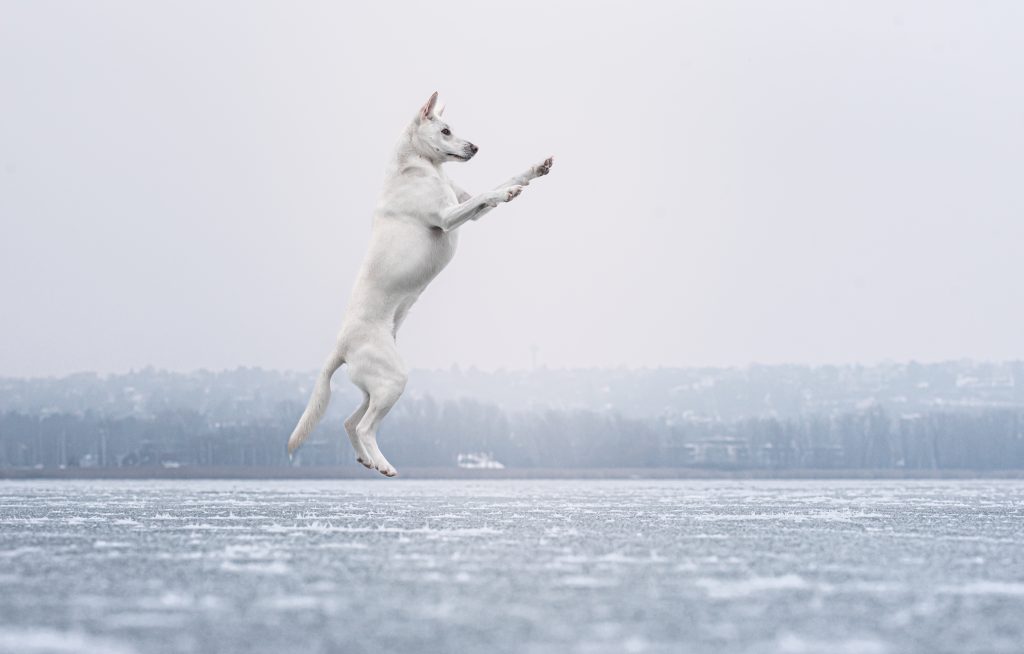
When I work with younger or less trainable animals, there’s more action, more movement, more free play. In those situations, I don’t think in staged scenes, but in energy and moments. Fortunately, modern technology can capture this beautifully.
Horses are a completely different world. I had a memorable shoot where the horse couldn’t calm down for a single moment — everything was unfamiliar to it, and it hadn’t even arrived with its own owner. We had planned a lakeside “fairy tale” concept, but my handmade crown ended up in the water, and the dog decided it was the perfect opportunity to roll in something extra ‘fragrant’, happily covering itself in what the horse had left behind.
It was chaotic, but those are the moments that become memorable. Safety is always the priority, and the story works because you adapt to what’s happening.
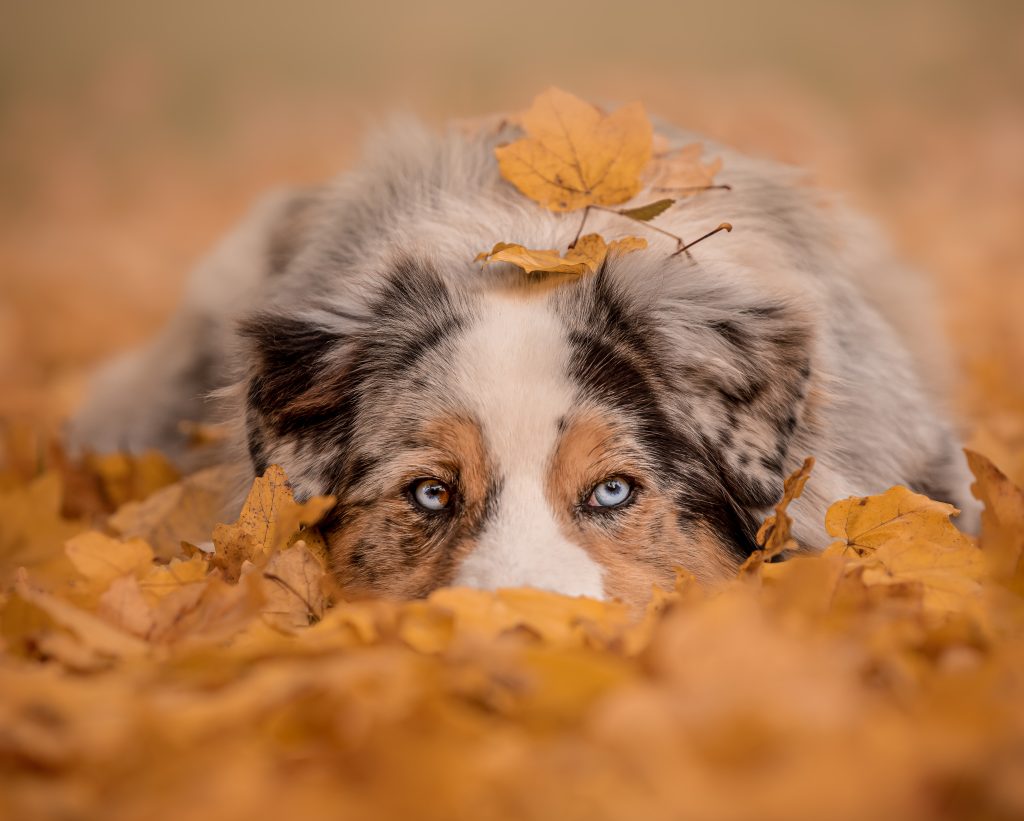
You came from a PR background focused mainly on written content, before moving into photography — specifically animal photography. When did you first feel drawn to this path, and how did your journey unfold?
It didn’t happen overnight. Even during my PR years, I was already taking photos, mostly portraits, but I was always drawn to thematic, storytelling approaches.
I’ve always loved animals and visual expression, but in the traditional sense I didn’t have the manual skills — drawing, for example, was never really my thing. In photography, though, I found my tool: the camera “draws” the image for me, and I shape it through shooting and post-production.
I was also very attracted to the hybrid nature of the work: it’s both creative and outdoors, in beautiful natural locations — a kind of escape from the urban environment.
The turning point came at the end of my studies. One of my final projects involved photographing dogs, and I approached strangers in the park. It was far outside my comfort zone — with plenty of rejection — but in the end, that’s when it clicked that this was my path.
That period also taught me that if you really want something, you have to go through those uncomfortable situations. And this became my first truly conscious, dedicated dog photography project.
You studied photography in Scotland. What were the most important things — professionally and skill-wise — that you took with you from there?
Scotland truly lives up to the saying that you can experience four seasons in one day — and as a photographer, you learn to handle that very quickly. One of the biggest lessons was adaptability: you don’t wait for “perfect conditions,” you learn to work in strong wind, rain, and changing light. Often, animals handle these conditions better than we do.
The teaching approach there was also a bit different. Of course, there was theory, but most courses were built around independently developed projects with minimal instruction. At first, this was intimidating, but it gave a great deal of freedom — and forced me to start developing my own visual voice instead of just “completing” assignments.
Students came from many different countries, which added a lot in terms of perspective. I saw completely different approaches to the same subject, which helped me step outside my usual way of thinking.
Perhaps most importantly, it helped me find my own direction. The variety of courses and the freedom together gave me the space to experiment with different styles, until it became clear what truly resonated with me.
Then came twins, moving back home, a completely different life — and you still remained a professional photographer. When did you first feel that your own life had become a story worth capturing?
After the twins were born, I was in survival mode for a while. At that point, you’re not really thinking in stories — you’re just trying to get through each day.
When I picked up the camera again, it felt like finding my way back to myself. It helped me step a little outside the world of motherhood and reconnect — with people, with animals, and with my creative side.
My life has never been a carefully planned story, it’s been shaped by many small decisions. For example, we originally planned to stay in Scotland for just two years, then came COVID, work, children — and photography gradually became more important.
I tried to respond flexibly to whatever came. Moving back home had always been in the plan, just not in the way it eventually happened.
Maybe it was during this process that I realized this itself is already a story — not perfect, but real, evolving, and honest.
What does the award you recently received mean to you: recognition, validation, or something else? And what would the girl who once left PRBK (then Próbakő) to study photography say to this?
For me, the award is primarily validation. Not in the sense that I’ve “arrived,” but rather that the path I’ve often walked with uncertainty and questions is working.
Many of my decisions weren’t fully conscious or planned in advance: things developed step by step. That’s why recognition like this makes you pause for a moment and says: you’re heading in the right direction.
And if I think back to that girl who left PRBK, she would probably be surprised — but also reassured. I think she’d say: “Okay, then it was worth taking the risk.”
If someone were to start tomorrow to find their own story — whether in career or creative work — what would you tell them as a first step?
The first step is to pay attention to what truly energizes you — and dare to move in that direction, even if you don’t yet see the whole path.
I was fortunate in that I have a very supportive husband. He believed in me even when I believed less in myself. After university and years of study, many people feel they have to continue on a predefined path, but over time I realized that what matters is what gives you energy in the long run. And I don’t feel like anything was lost — my previous studies and work experience all contribute to what I do now.
At the same time, I paid attention to the business side: even from Scotland, I was observing the market in Veszprém and saw that it wasn’t yet saturated, so I had the opportunity to represent a unique direction.
For me, the key was allowing myself to change and not trying to control everything in advance. The story comes together along the way.
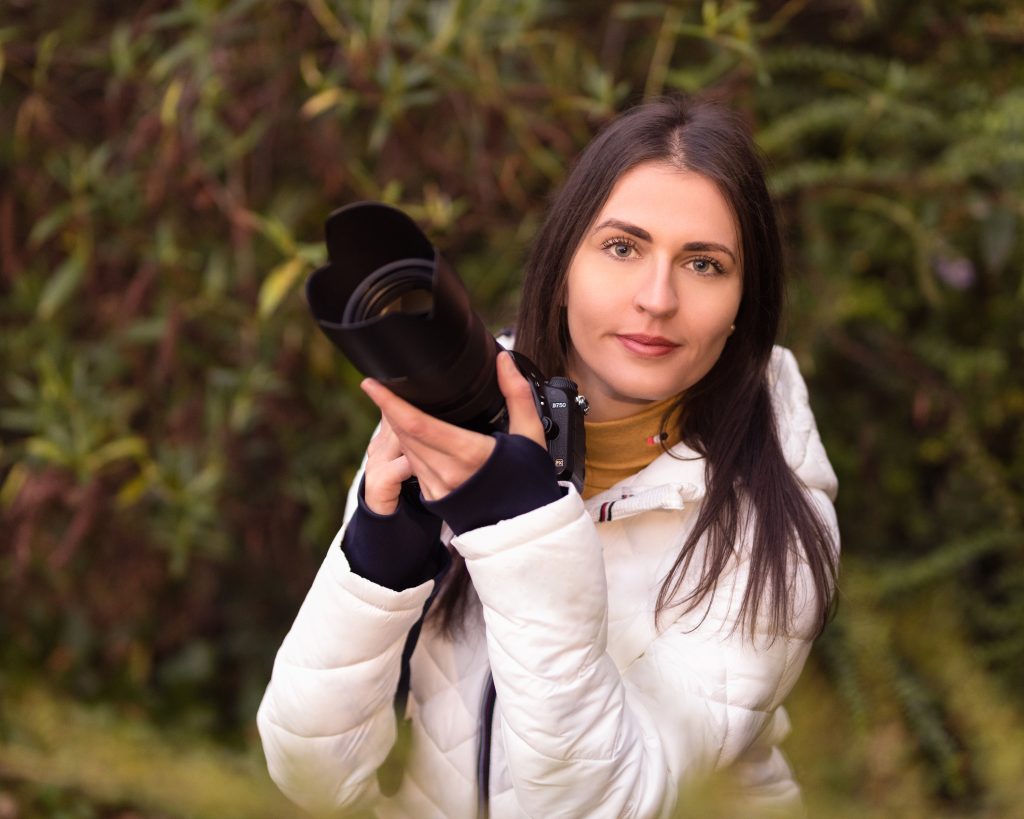
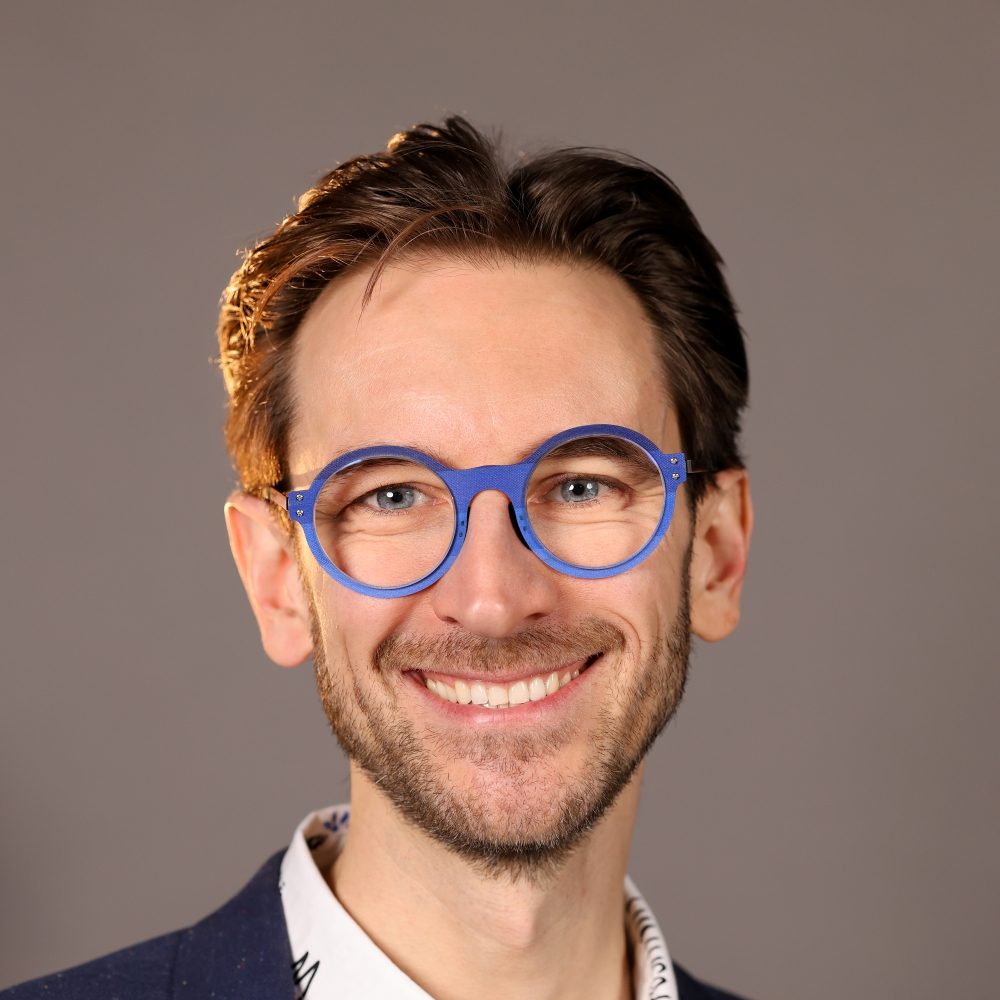
Cintia Szabó B.
Pet and dog photographer, working as an entrepreneur since 2021. She started her career in Dundee and has continued in Veszprém since 2025, offering full-service photography. Previously, she worked at PRBK Kommunikáció as a PR and communications assistant, contributing to content creation, social media management, and campaign execution. She studied photography at Dundee and Angus College and holds a BA in Communication and Media (PR) from the University of Szeged.